Assistant Teaching Professor Hanan Hibshi is Giving Students the Confidence to Work with AI in her Special Topics Course
By Evan Lybrand
Media InquiriesAssistant Teaching Professor Hanan Hibshi is training the next generation of experts for the Artificial Intelligence (AI) era. In her special topics course, Secure and Responsible AI, which debuted this past spring, students gained first-hand experience designing systems that utilize AI responsibly.
“We take a holistic view of AI to build systems that solve real-world problems,” said Hibshi.
Hibshi draws from real and hypothetical scenarios across a wide range of fields, from healthcare and financial technology to criminal justice and education, to help students make “SURE” their AI solution is working. SURE stands for Secure, Usable, Responsible, Ethical and is the core principle guiding the course.
Hibshi developed the class to address rising concerns about the ethical and cybersecurity implications of AI's rapid adoption. “The questions came from everyone — students, industry and collaborators in academia,” she said. “’How are we going to go about AI? How are our systems going to be? How are we going to change our practices?’
“Our students are reading about how AI is disrupting the tech sector. This course is meant to give them the experience and skills to adapt to these changes. They learn how to rethink their work, how they use software and to question AI and its prompts when they find a solution.”
Hibshi challenges students to look at things from a broader context and go beyond general advice to identify solutions to address the issue. “It’s a very good practice for them,” said Hibshi. “They look at larger systems and code bases and deal with legal requirements and compliance. They may not go on to be legal experts in all of these, but they can map things and talk to stakeholders.” The curriculum gives students the knowledge and experience to feel comfortable talking about how AI impacts different systems and how AI solutions can be implemented ethically.
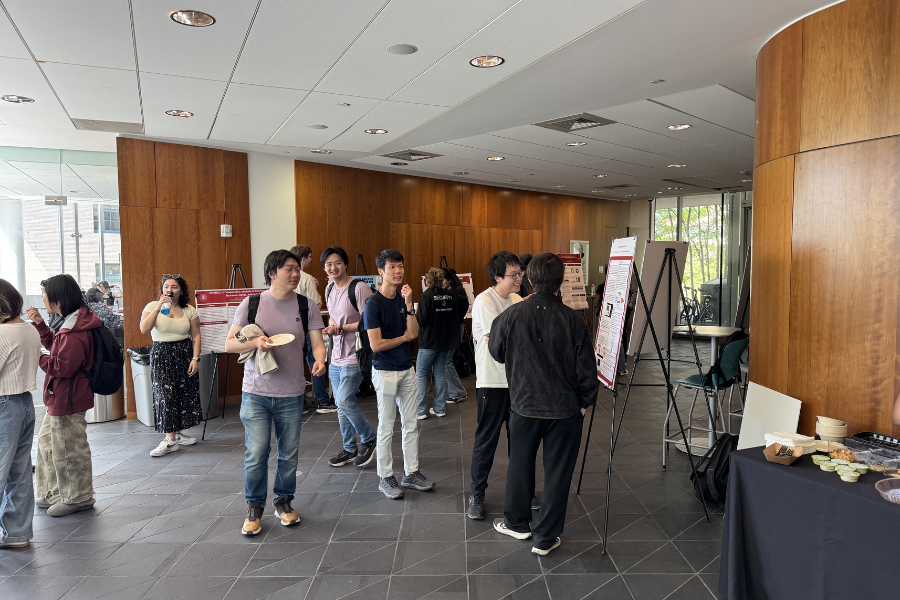
The course culminates in a student-proposed project. Through this project, students explore a topic of interest and produce a technical report. Students are allowed to use AI tools throughout the project as long as they fully disclose their usage. “It helps build their confidence,” said Hibshi. “It builds their knowledge and helps them judge where the AI tools are falling short. That gives them a lot of rich experience and helps them trust their own skills and to find their own real value in the market.”
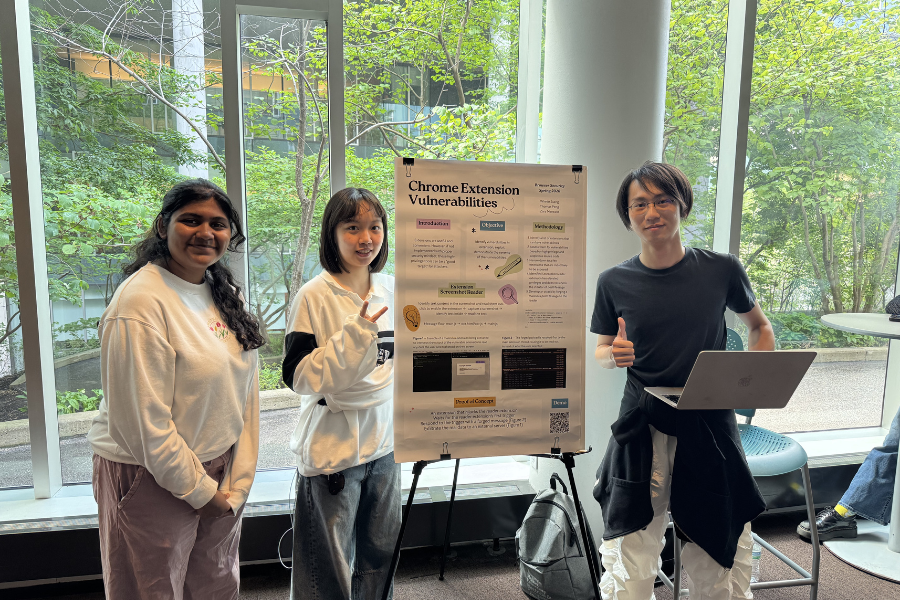
This year’s projects were a diverse mix of subjects, including healthcare compliance, taxes, financial advice, AI in education and grading and more. “The goal is to allow students to think outside of the box and pick what they’re interested in,” shared Hibshi. “I was really impressed with all these projects. They exceeded my expectations with their creativity.”
Secure and Responsible AI is not designed for a specific type of student; the only requirement for Hibshi is that they are excited about AI and willing to experiment with the technology. This semester included INI students and a mixture of undergraduate and graduate students from across the College of Engineering and the Heinz College of Information Systems and Public Policy.
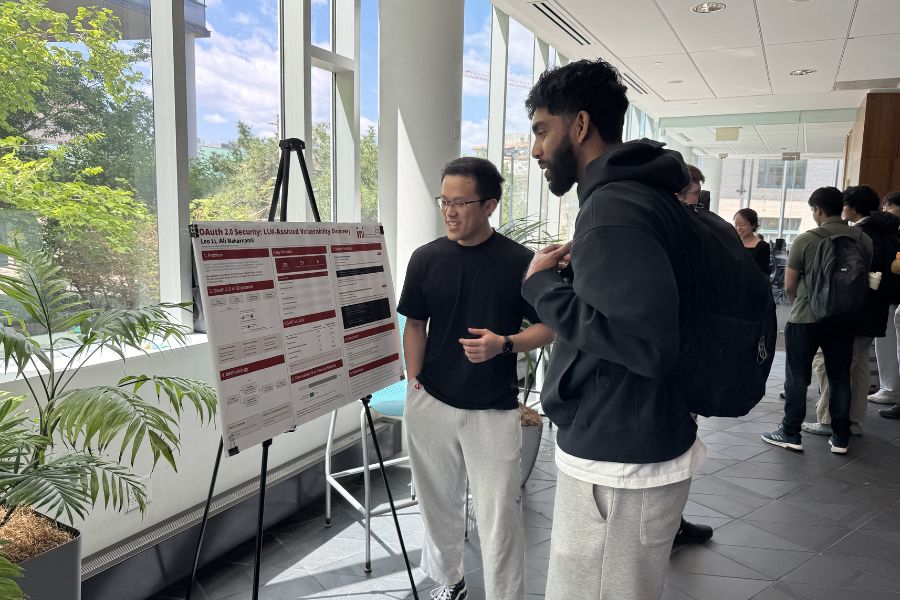
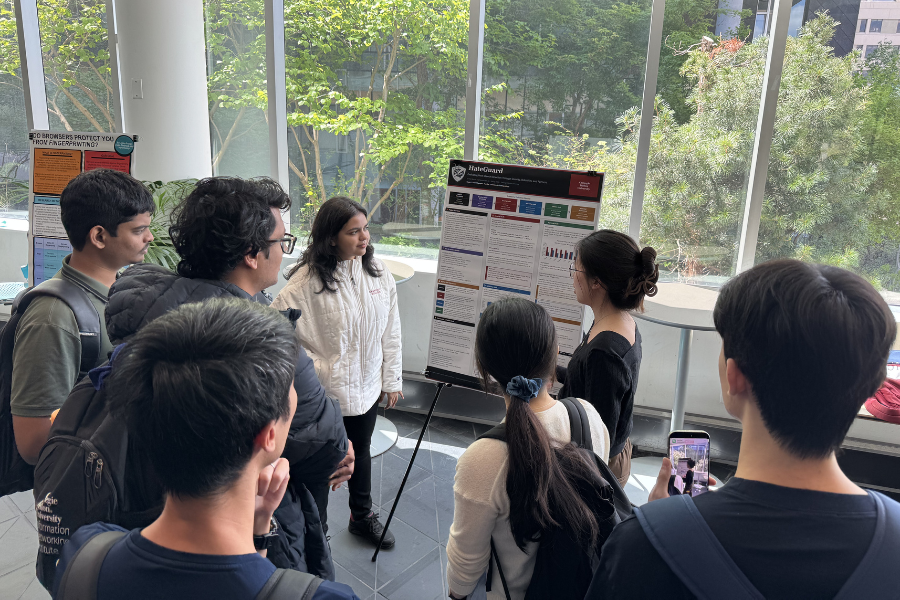
At the end of the semester, students shared their projects during a poster session that combined projects from two INI special topics courses. This in person event gave participants a chance to explore each other's work.