Building a Resilient Workforce in the Age of AI and Automation
Block Center
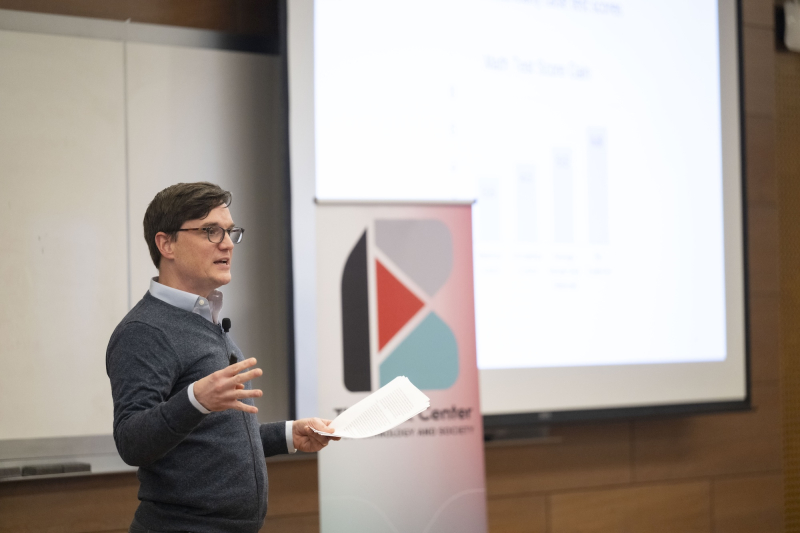
On October 25, 2024, The Block Center for Technology for Society hosted the Workforce Resilience in a Changing Technological Landscape, convening experts and industry leaders to examine an urgent question of our time: how can we strengthen the workforce in the face of relentless technological change? From morning to afternoon, a common theme emerged—while AI and automation have redefined many jobs, adaptability and targeted workforce programs are essential in bridging the widening gaps in skills, accessibility, and economic opportunity.
The morning began with a discussion on the evolution of work. With technology reshaping tasks, problem-solving and decision-making skills have risen to the forefront of job demands. Efficiency and production defined many roles once, but today, the ability to make sound decisions is increasingly valuable. David Deming, Isabelle and Scott Black Professor of Political Economy at the Harvard Kennedy School, argued that as roles evolve, managers and workers are rewarded not for the number of tasks completed but for the quality of their decisions. This shift highlights the need to develop a workforce ready for roles that rely on judgment and strategic thinking over rote execution.
At the same time, generative AI tools designed to aid hiring processes brought another side of the technology-driven labor market to light. Emma Wiles, Assistant Professor at Boston University's Questrom School of Business, and John Horton, Associate Professor of Information Technologies at the MIT Sloan School of Management, presented developing research on how generative AI impacts the job search process. AI-generated job posts may reduce costs and save time, but they also reveal a downside: a lack of specificity that human input provides. Generic job descriptions were linked to lower hiring rates, raising a larger question about the use of technology in hiring. While it can expedite some processes, AI’s current limitations underscore the need for maintaining human nuance in critical areas.
Conversely, Wiles and Horton’s research revealed that even minor adjustments using algorithms to improve grammar and clarity of language on resumes could give jobseekers an edge. These details may seem minor, yet they remind us that in today’s competitive job market, clarity and precision matter more than ever—and in these cases when AI can effectively improve our clarity and precision, it may be a very beneficial tool.
The morning concluded with insights into how workforce development programs can help individuals narrow skill gaps and access higher-quality jobs. Lisa Kahn, Helen F. and Fred H. Gowen Professor in the Social Sciences at the University of Rochester, presented her
research on how public-private incumbent worker training programs can support low-skilled, front-line occupation workers. She found that after receiving training program grants, firms typically hired additional low-skilled workers or reduced requirements for education or related work experience. These changes emphasize that when firms can successfully train their current workers, they can also open pathways for new, lower-skilled workers to join.
At the same time, the job prospects of individuals in workforce development programs may not be entirely dependent on the actual training they receive. Kadeem Noray, Future of Work Postdoctoral Associate at the Massachusetts Institute of Technology and Research Associate at Opportunity Insights at Harvard University, showcased research on the effects of a sectoral training program for urban youth. He revealed that the participant's initial job placement was a key driver of earnings in the program. This research highlights that programs' ability to match participants with high-quality opportunities is a crucial element of success. Through this matching, workforce development programs can be a tool to bridge the opportunity gap, particularly for disadvantaged workers.
During the afternoon session, discussions shifted toward preparing the workforce for a future increasingly influenced by technology. The keynote from Brian Kovak, Professor of Economics and Public Policy at CMU’s Heinz College and Block affiliated faculty, set a hopeful tone: while AI and automation may disrupt traditional roles, thoughtful workforce policies can help mitigate these changes. Training programs that target in-demand skills and provide clear pathways to growth have proven effective, particularly those focused on adaptable skills that can apply across industries. Yet, these programs have not been equally accessible to everyone, and barriers remain, especially for historically disadvantaged groups. This inequality requires more refined, intentional workforce policies that expand access and opportunity.
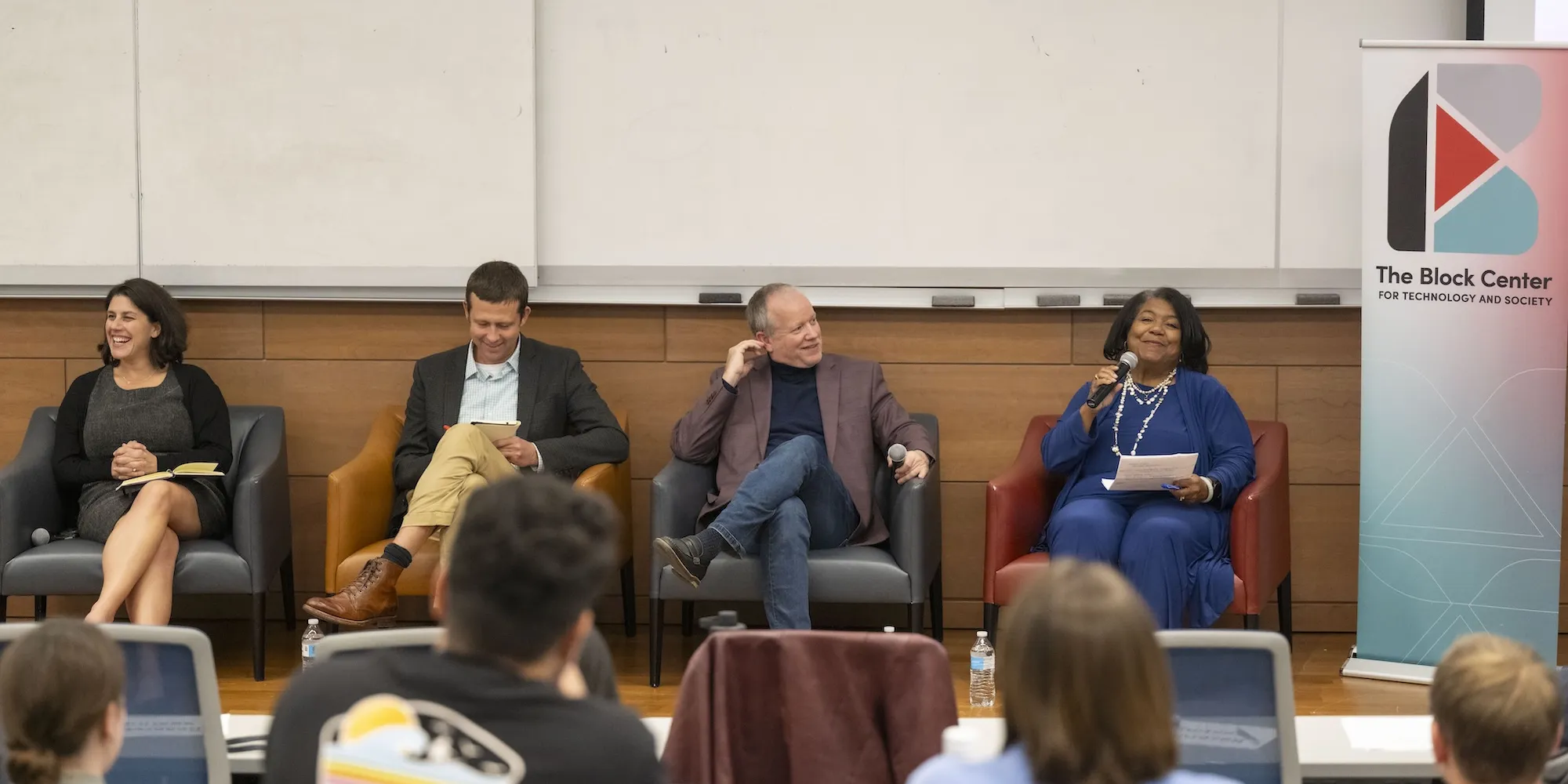
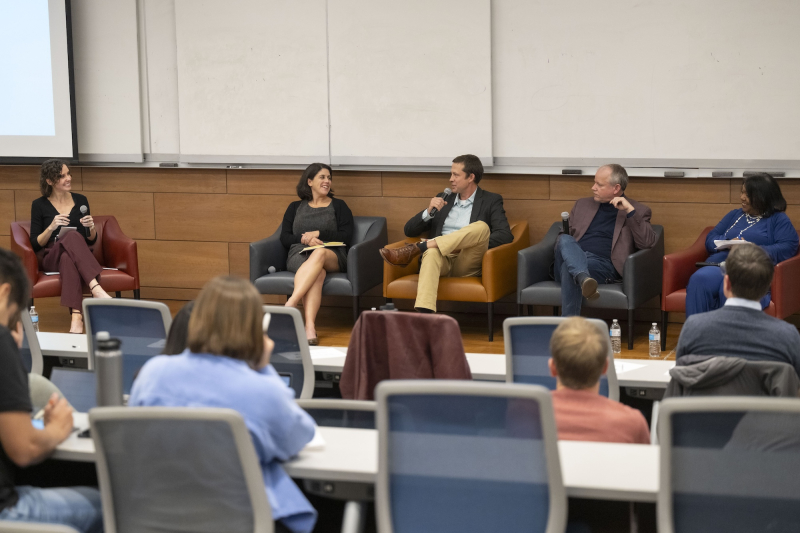
Following the keynote, Lisa Kahn and John Horton joined Kathy Mayle, Assistant Vice President and Dean of Nursing, Allied Health and Sciences at the Community College of Allegheny County and Matt Holjes, Managing Director of Business Development at Catalyst Connection to explore ways to create more adaptive and responsive workforce training. A key takeaway was that success in workforce development isn’t just about increasing technical skills and aligning programs with actual market demands. In sectors like healthcare and manufacturing, for instance, training programs that stay connected with local employers can better adapt to shifting needs and prepare students for immediate impact in their fields.
In healthcare, for example, training programs that work closely with hospitals and clinics ensure graduates are equipped with relevant skills, which has proven invaluable in a field where technology’s role continues to grow. However, keeping programs updated with the latest technological tools comes at a cost—a reality that challenges educators to find a balance between cutting-edge preparation and affordable access.
The manufacturing industry revealed a slightly different challenge. While automation might shift tasks away from specific roles, it rarely eliminates them entirely. Instead, manufacturers use technology to support workers in higher-value tasks, such as quality control and product improvement. The flexibility that younger workers seek, however, has led some manufacturers to rethink their workplace structures, considering how they might make traditional roles more attractive in a gig economy world. These changes reflect a broader need to adapt long-standing industries to meet the preferences of a modern, tech-savvy workforce.
Throughout the day, a vision for a resilient workforce took shape. As technology continues to impact the job market, resilience will come from combining forward-thinking education with adaptive policies and cross-sector collaboration. The emerging workforce must embrace continuous learning and build skills that technology can’t easily replicate, like critical thinking and decision-making. In an era when algorithms can handle much of the rote work, these human strengths will set workers apart.
By the conference’s end, it was clear that technology alone can’t solve workforce challenges. A resilient future will require intentional, inclusive programs and policies. As AI and automation evolve, our collective commitment to innovation and adaptability will determine our ability to support a strong, flexible workforce capable of meeting the challenges and opportunities ahead.