Tech for Good: Rescuing Food to Fight Hunger and Climate Change
S3 Episode 9 | July 9, 2026
What if the surplus that food restaurants and grocery stores throw away every day could instead feed the millions of people who don't know where their next meal is coming from? That question sent Leah Lizarondo down a path that reshaped how communities think about hunger, waste and climate change.
In this episode, we sit down with Lizarondo, a Heinz College graduate and entrepreneur in residence at CMU's Swartz Center for Entrepreneurship. She's the co-founder of 412 Food Rescue and founder of Food Rescue Hero, the technology platform that grew out of it.
Lizarondo traces the idea back to a jarring statistic: roughly 40 percent of the food supply was going to waste, with major consequences for land use, water resources and greenhouse gas emissions — food waste alone rivals entire countries in its climate impact. Inspired by the rise of on-demand delivery apps like Uber, she asked what if that same logistics model could redirect good food to people who need it, instead of the landfill.
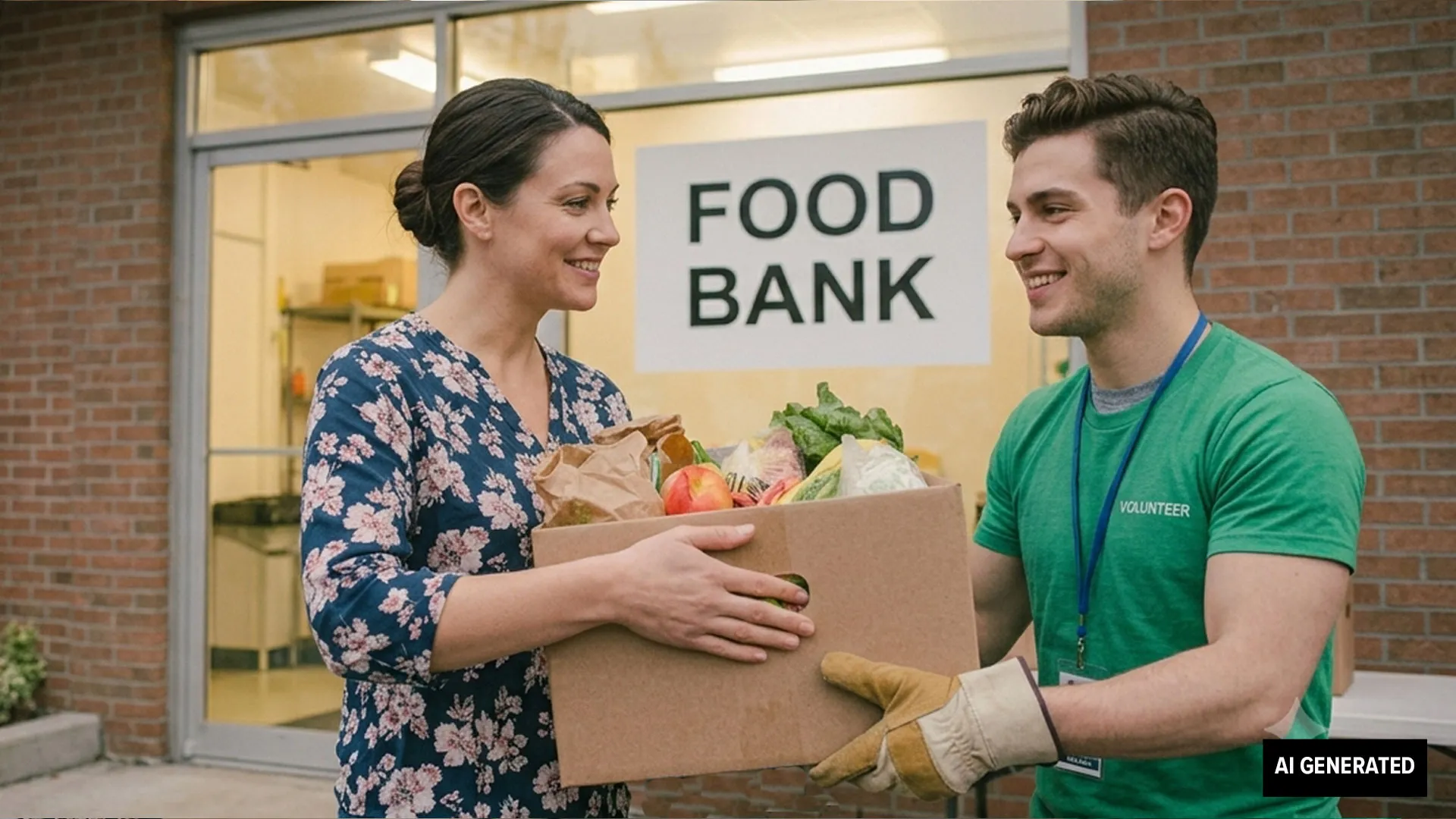
Launched in Pittsburgh in 2015, 412 Food Rescue built its volunteer network and donor relationships first, then layered in the Food Rescue Hero app to scale the matching process. Today the platform has around 65,000 volunteer drivers, has recovered an estimated 350 million pounds of food, and is closing in on its one-millionth rescue. It now operates in about 30 cities across the U.S. and Canada, licensing its technology to nonprofit partners rather than expanding directly. Since then, food recovery programs along with Food Rescue Hero have helped reduce food waste to 35 percent.
Lizarondo also discusses her current work with Vital Voices Global Partnership, her advice for student entrepreneurs, and how she sees AI reshaping philanthropy and social enterprise in the years ahead.