Research Centers & Labs
Within the College of Fine Arts’ thriving research and creative practice environment, you will find various centers and laboratories dedicated to projects that advance the arts, architecture and design. Faculty, staff and students within several areas across CFA collaborate on these efforts — and, often, with colleagues across Carnegie Mellon — to pursue new and innovative works that benefit our communities at large.
CFA Centers & Labs
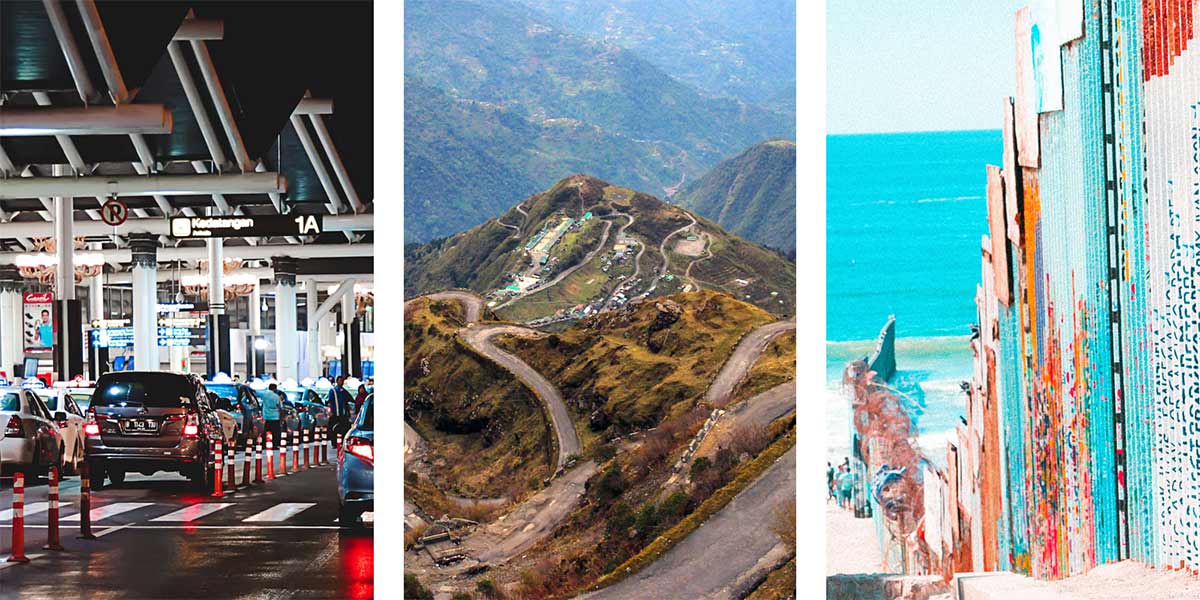
Center for the Arts in Society
A collaborative effort of artists and scholars affiliated with CFA and Dietrich College of Humanities and Social Sciences, CAS is a faculty research center dedicated to the exploration of the arts as they relate to and involve the larger society.
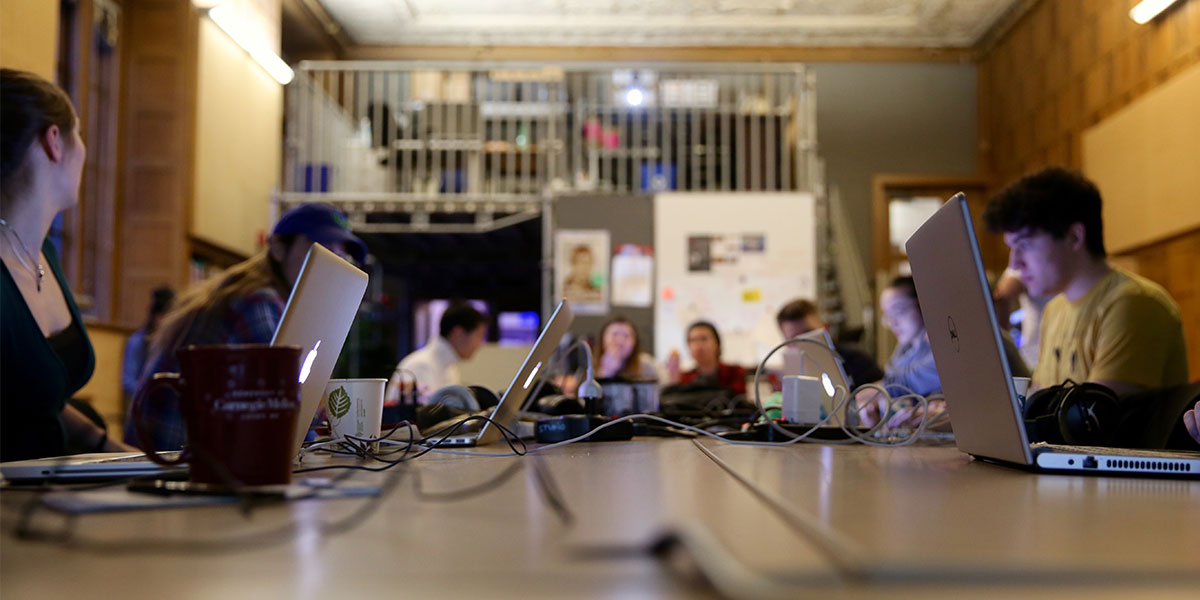
Frank-Ratchye STUDIO for Creative Inquiry
The Frank-Ratchye STUDIO for Creative Inquiry is a laboratory for atypical, anti-disciplinary, and inter-institutional research at the intersections of arts, science, technology and culture.
School Centers & Labs

2D Lab
The 2D Lab is a hands on work space. Open Thursdays and Fridays on the B level of Margaret Morrison Carnegie Hall the 2D Lab is dedicated to exploring the art of 2D Design including thee letterpress, screen printing, risograph printing, paper making, digital printing & book making. It is a place where students can learn the foundation of design while experimenting in all things print.

Advanced 3D Prototyping Lab
The Advanced 3D Prototyping Lab is where Design students use equipment and material to perform experiments to answer questions that cannot be confirmed with drawing or conversation. This Lab, located in Porter Hall, serves as both a teaching lab and a digital 3d printing and laser cutting service bureau. Students are supported with official courses, as necessary retraining, and some of the most open office hours in all of the College of Fine Arts.
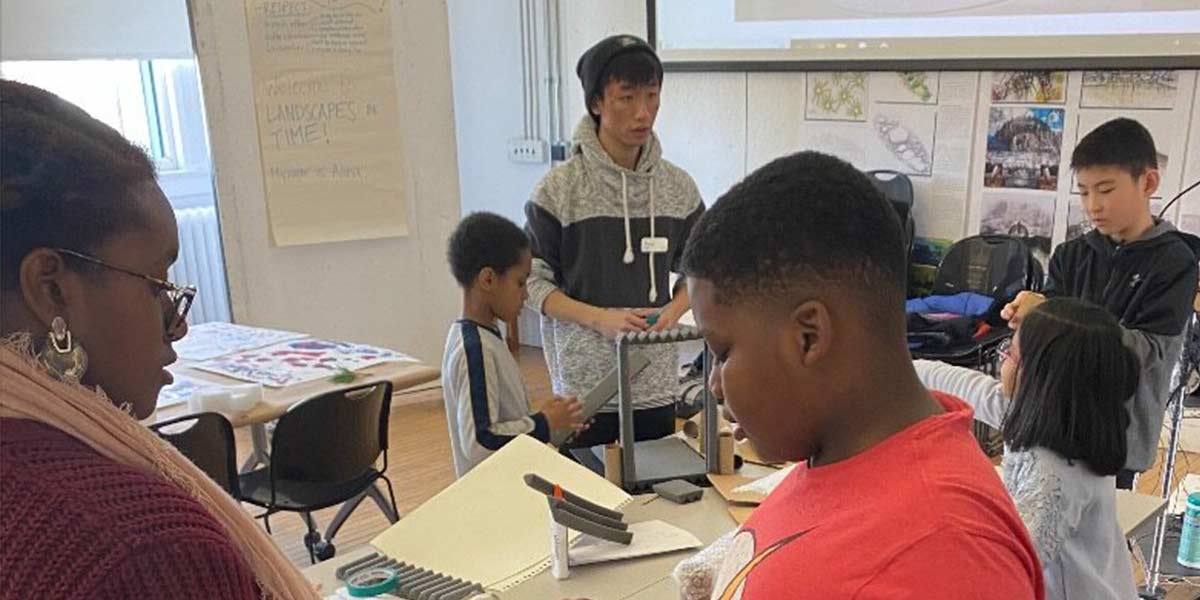
Center for Architecture Explorations
The Center for Architecture Explorations (CAE) supports architecture education for all ages. Building on the School of Architecture’s experience with youth education, university service learning projects, engagement with architectural practice, and academic research, we create dynamic architectural education pedagogy with an emphasis on building equity and diversity within the design professions.
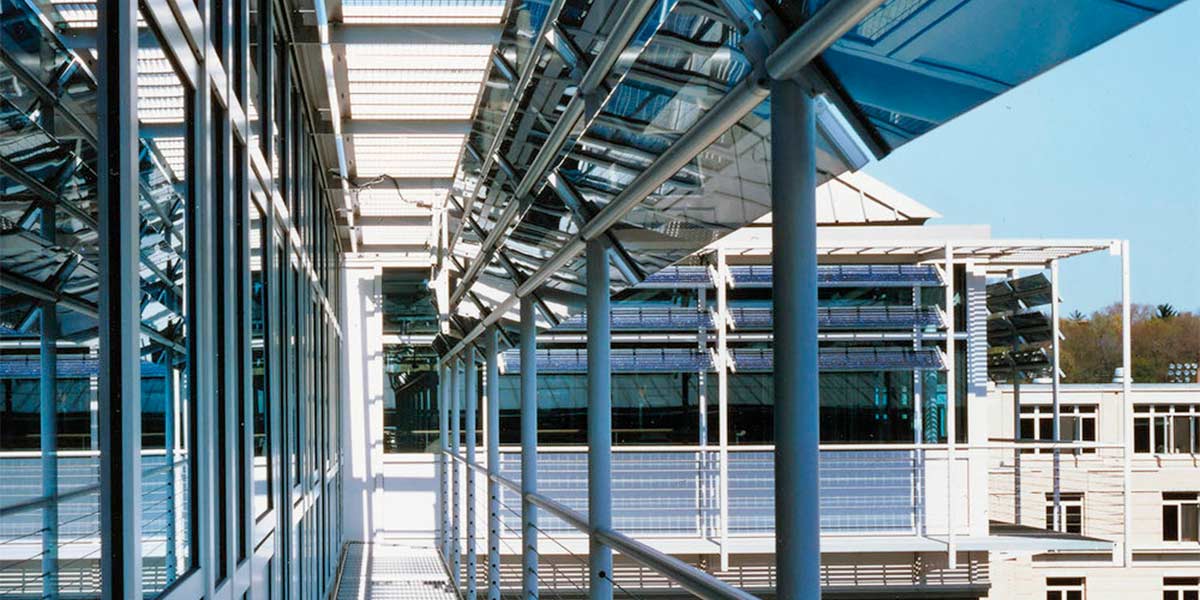
Center for Building Performance and Diagnostics (CBPD)
The Center for Building Performance and Diagnostics (CBPD) conducts research, demonstrations, and teaching to advance the sustainability and performance of buildings and communities. In conjunction with the Advanced Building Systems Integration Consortium (ABSIC), the CBPD is engaged in ground-breaking work that investigates the impact of natural and advanced technologies on the physical, environmental, and social quality in buildings and communities.
CoDe Lab
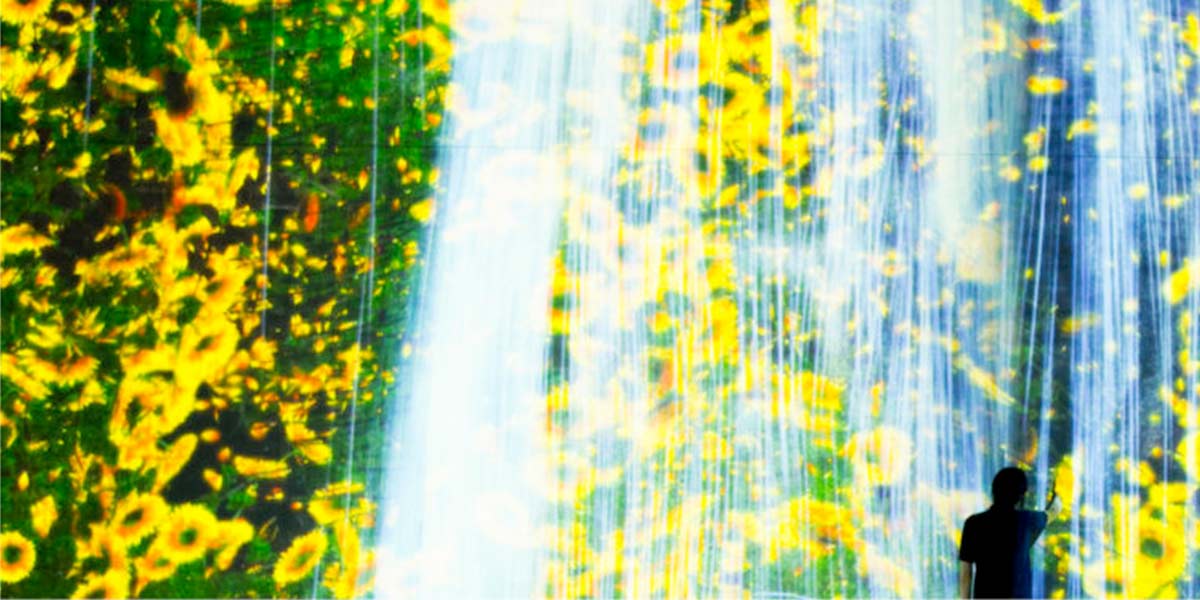
The Code Lab is a multidisciplinary research and learning laboratory within the School of Architecture. It houses a dynamic community of graduate students and faculty investigating relationships between people, spaces and computational ideas and processes.
Creative AI and Design Launchpad (CRAIDL)
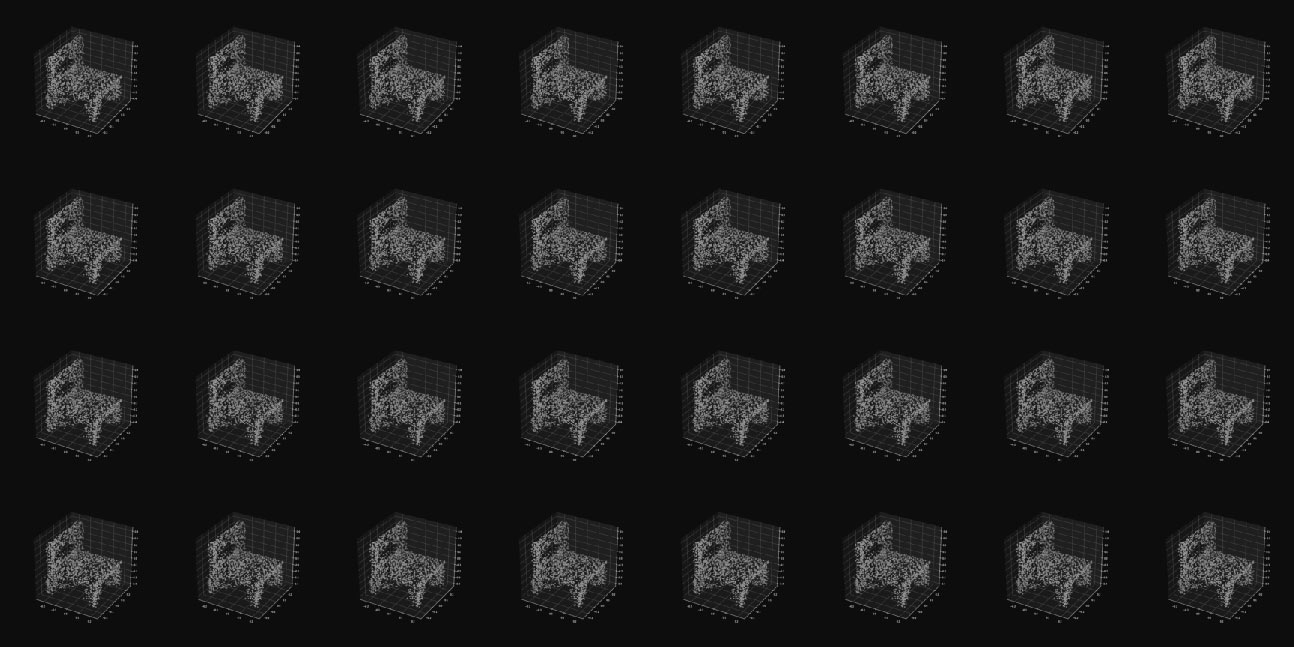
CRAIDL is an Artificial Intelligence (AI) research initiative led by doctoral students at CMU’s Computational Design Laboratory. Housed in the School of Architecture, it focuses on the intersection of AI and art, design, engineering, and architecture in domains including Natural Language Processing, Reinforcement, Learning, Deep Learning, and Machine Learning.
Hypersense: [Em]bodied Computation Lab
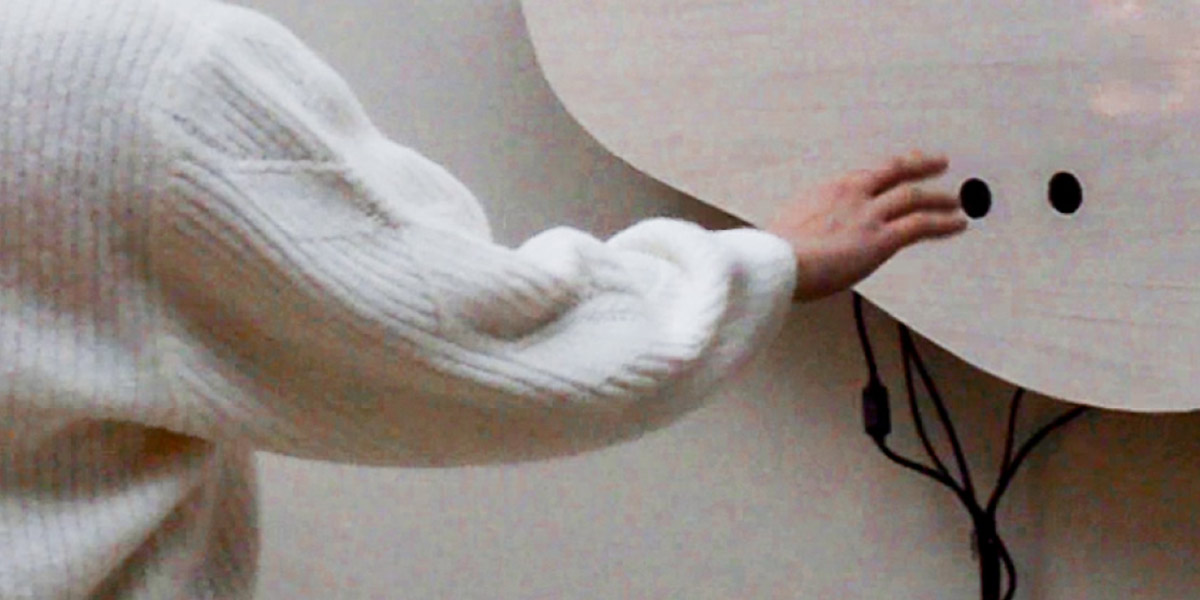
The hyperSense: The Embodied Computation Lab is located in the School of Design. The Lab was recently founded and is directed by Dina El-Zanfaly, Ph.D. Its focus is on new roles of computational design and physicality in embodied sense-making, including human perception, cognition, and experience. The lab studies the agency of computational creative modes of production and the emerging social, cultural, and technological behaviors resulting from introducing them.
Learning Environments Lab
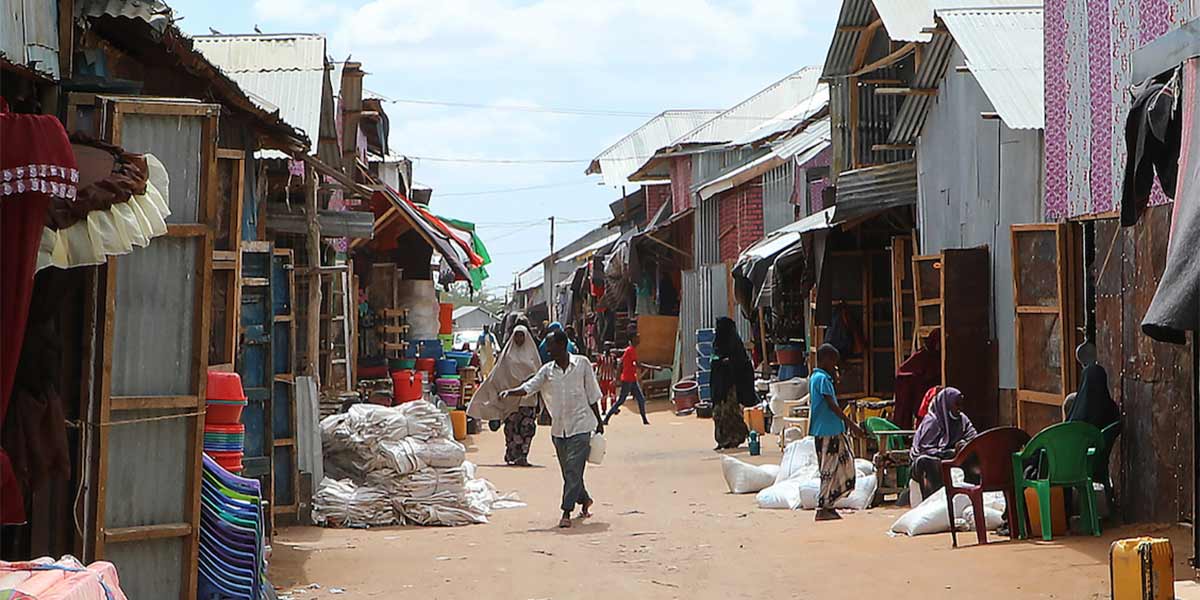
The Learning Environment Lab in the School of Design is home to a multidisciplinary team of researchers studying physical and online environments that support learning experiences. We are exploring four areas: (a) improving online learning experiences through data driven interaction design patterns, (b) increasing learning and decreasing distraction associated with wall sized information displays in classrooms, (c) improving learning experiences in design studio environments, and (d) increasing design agility through design studio pedagogy.
Music Cognition Lab
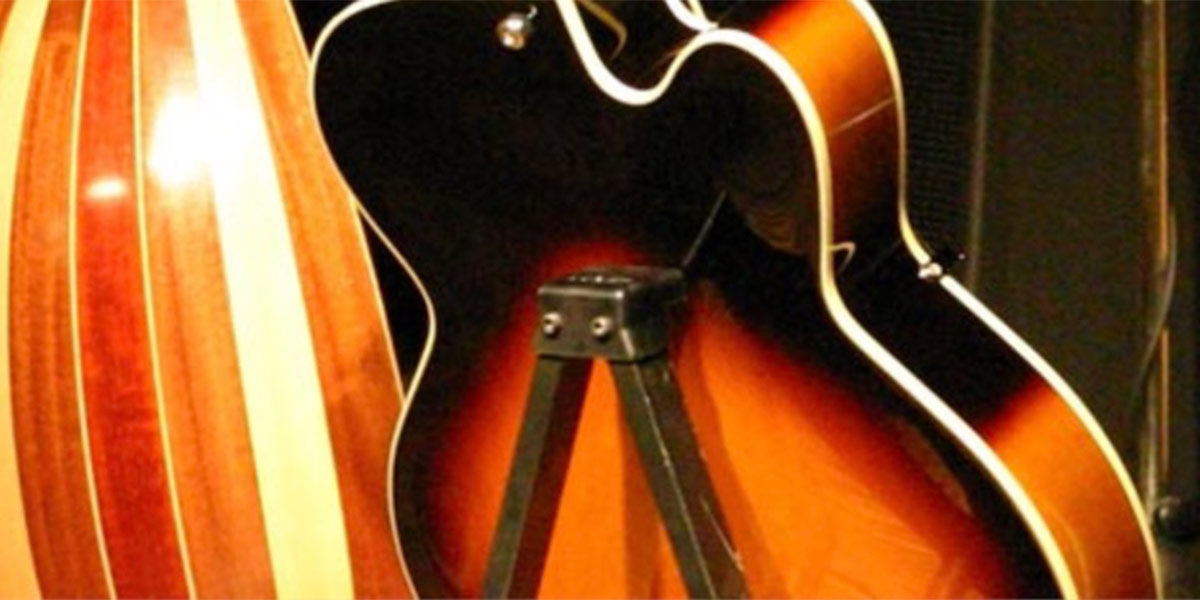
The goal of the Music Cognition Lab is to investigate through various means the relationship between music and human cognition. Topics we explore include auditory science analysis, musician versus non-musician cognitive processing, expectation, memory, learning and plasticity, and musical preference.

Physical Computing Lab
The lab provides the basic physical computing components and tools for integrating technology in tangible and physical projects. It also houses Extended reality headsets that anyone can borrow.

Relational Spatiality Lab
Relational Spatiality is a research studio at Carnegie Mellon University’s School of Design. Our work explores how spatial interactions — defined through elements such as location, proximity, orientation, locomotion and configuration — can be leveraged to shape experiences of physical closeness, where technology supports everyday activities by connecting people with the objects and others they engage with in physical settings.
Remaking Cities Institute
The Remaking Cities Institute (RCI) is the urban design research center of the School of Architecture. The RCI conducts international research in place-making, citizen participation planning processes, and sustainable development.

Smillie Lab
Smillie Lab is a legendary space in Carnegie Mellon University's School of Design. Students in Smillie Lab can find specialty printers, photography space and state of the art computing power for all of a students' image generation needs.

Spatial Experiences Lab
This is not a "research lab" but an educational resource for students, faculty and staff to ideate, prototype and test interactions, media and physical designs that require a large space. The lab is an empty white box (20 x 30 x 12-foot) instrumented with computers, motion-tracking cameras, projectors and speakers that can be integrated together to provide computational and input/output capabilities to physical objects, walls and floors.
Transition Design Institute
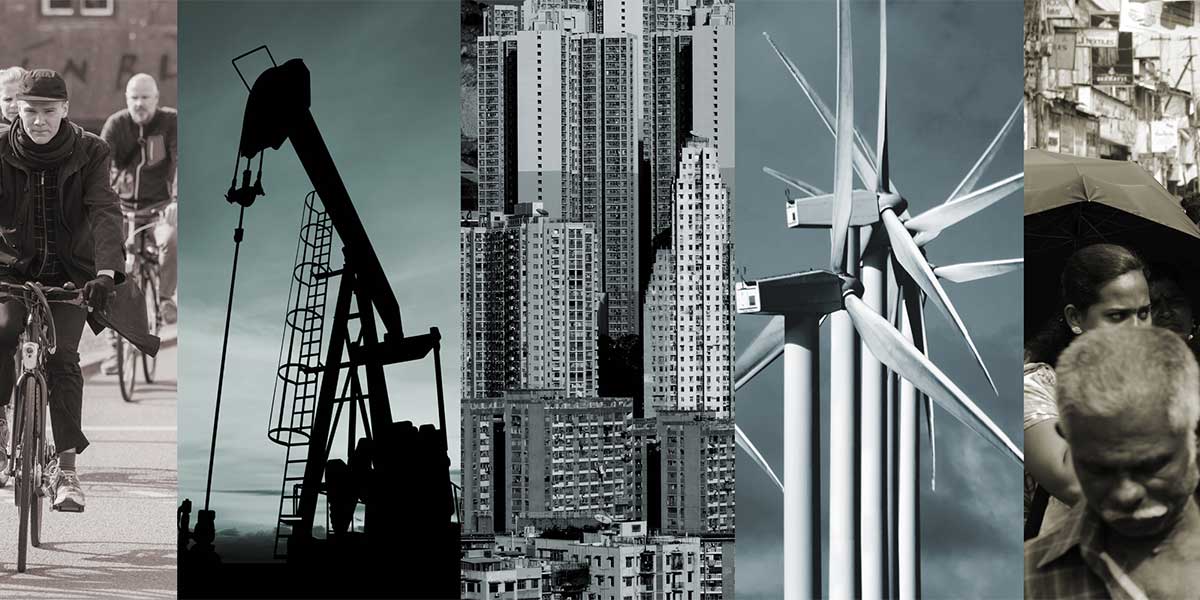
Transition Design is a transdisciplinary approach aimed at addressing the many ‘wicked’ problems confronting 21st century societies: climate change, forced migration, political and social polarization, global pandemics, lack of access to affordable housing/healthcare/education and many others.
