
The Carnegie Mellon Institute for Strategy and Technology (CMIST) translates research into actionable insights, informing policymakers and shaping the global conversation on war, peace, and emerging technology.


As a cross-university meeting place, CMIST offers a balanced perspective on critical debates around new technologies and their impact on security and policy. Leveraging Carnegie Mellon University's cutting-edge research in fields such as machine learning, robotics, and human-computer interaction, our multidisciplinary team of social scientists delivers expert analyses on the ethical, social, political, and economic implications of new and emerging technologies. Our researchers adopt a fresh approach to understanding how emerging technologies influence war and peace, and how best to harness their potential to create a more stable, equitable world.
NATIONAL SECURITY
National security demands rigorous foresight, deep technical understanding, and decisive policy action. At Carnegie Mellon University and the Carnegie Mellon Institute for Strategy & Technology (CMIST), our work represents a direct commitment to high-impact research and sustained engagement on the critical challenges defining modern defense and statecraft.
This section features the latest white papers, technical reports, and strategic analyses produced by CMIST researchers and leadership. By translating complex technological innovations into actionable defense strategies and policy frameworks, these contributions provide a vital resource for navigating the intersection of emerging tech, international security, and global stability.
White Papers & Reports

As AI demand drives a historic expansion of the US power grid, a central question remains: How do we decouple from strategic competitors without throttling our own industrial growth? CMIST joined forces with the Center on Cyber and Technology Innovation (CCTI) at the Foundation for Defense of Democracies (FDD) to tackle this question in our latest white paper, "The Electrotech Moneyball: An Industrial Strategy for Ranking Risk and Opportunity in Energy & AI Supply Chains." The research introduces a "Moneyball" framework for the electrotech stack. By assessing components based on their "smart" connectivity and systemic influence, authors Phoebe Benich, Dr. Emma Stewart, and Harry Krejsa provide a roadmap for policymakers to implement zero-trust security where it matters most, while preserving the cost advantages of global commodity markets where it doesn't.

Harry Krejsa, John Costello, and Phoebe Benich illustrate how the US may be repeating its 5G-era failures by allowing China to dominate the global AI market with "good enough," cheap alternatives in their recent commentary, "America Lost the 5G Race. It's About to Lose AI the Same Way." While American labs lead in technical superiority, Chinese firms like DeepSeek provide free, open-source models that are rapidly winning over price-sensitive emerging markets. During the 5G race, time, expense, and restrictive diplomatic response pushed developing nations toward Chinese infrastructure, a pattern currently being repeated in the AI sector. To avoid this, the authors argue that the US must change its approach and support a diverse ecosystem that includes affordable, open-source models.
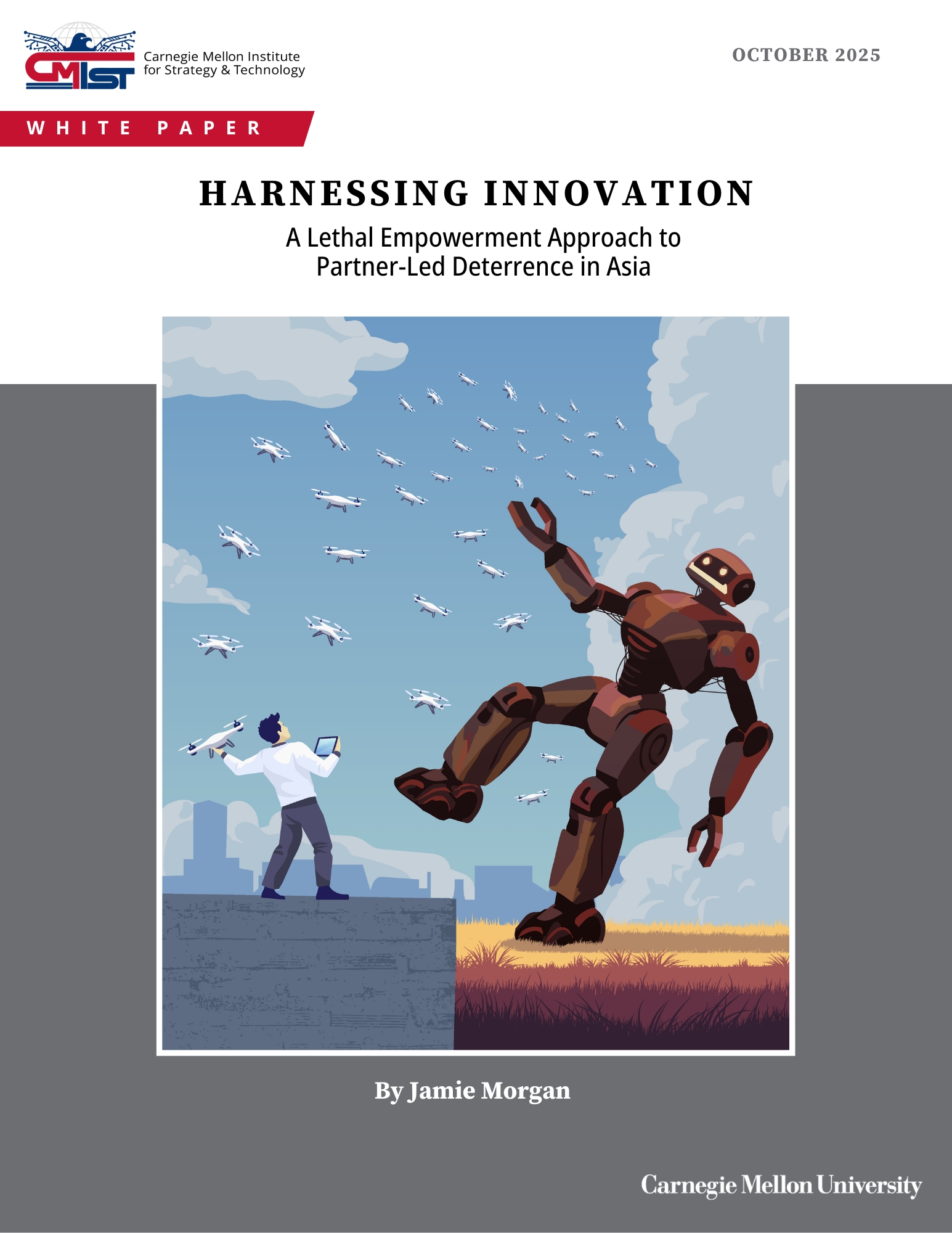
CMIST Non-Resident Fellow, Jamie Morgan has released her first white paper, "Harnessing Innovation: A Lethal Empowerment Approach to Partner-Led Deterrence in Asia." This paper explores how decentralized communications, unmanned platforms, and advanced planning tools could significantly bolster allied security in the Indo-Pacific. Morgan argues that the US defense export system, still governed by Cold War-era processes, is failing to deliver these critical technologies quickly and effectively. To remedy this, the paper presents specific, actionable policy solutions to ensure partners have timely access to innovative, dual-use systems—before they are forced to seek out foreign competitors.

CMIST's Director of Studies, Harry Krejsa has released his latest report, "Securing the Race for AI, Powering the Race for the Future." Krejsa makes the case that America's AI-driven energy expansion is a unique opportunity to address a trifecta of critical challenges. The paper argues that by using AI to modernize our energy infrastructure, we can simultaneously build a more secure and resilient foundation, streamline security requirements for new technologies to accelerate deployment, and reindustrialize around the "electrotech stack" that will define the future of the global economy—all while working to prevent China's early lead from becoming insurmountable.
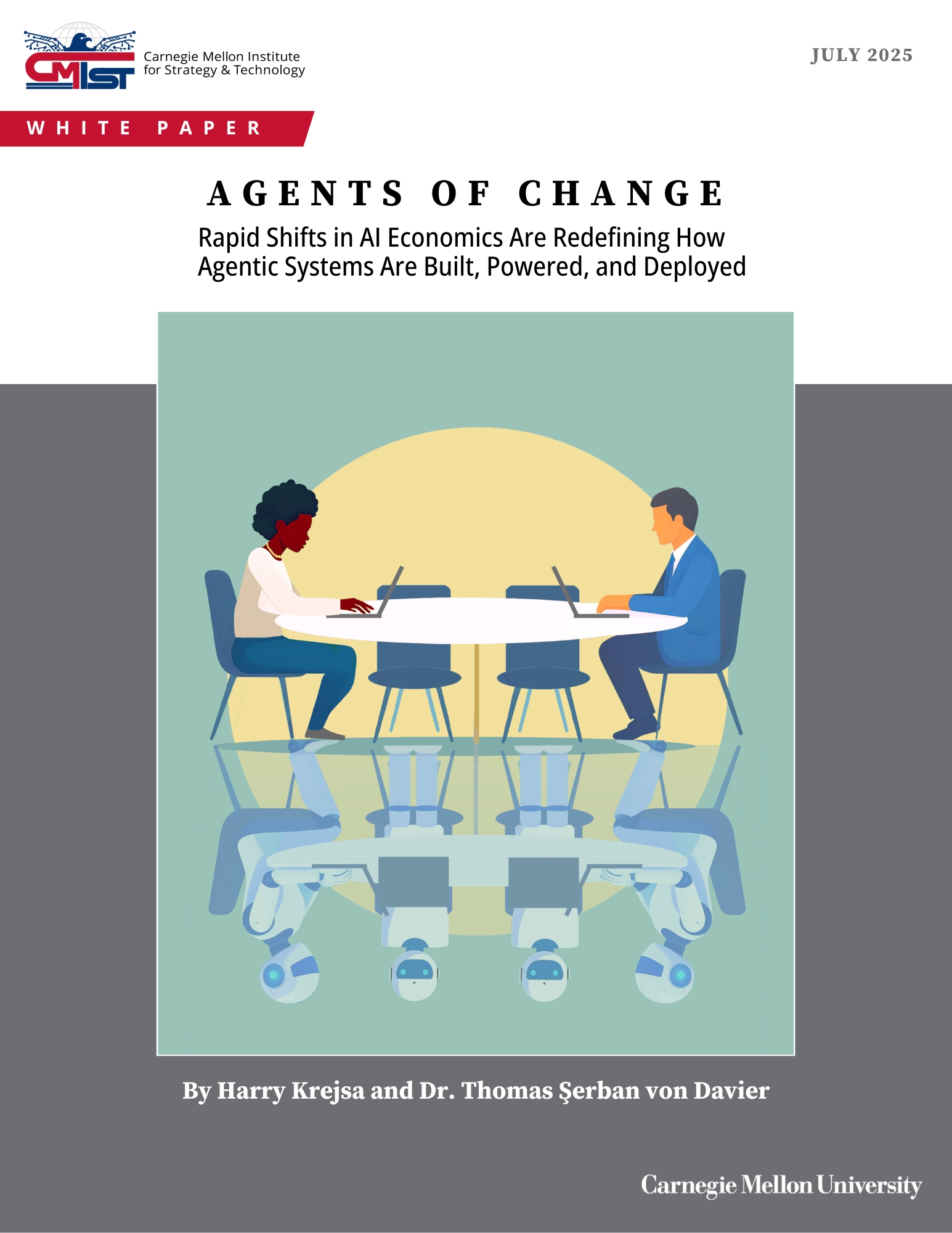
CMU researchers Harry Krejsa of CMIST and Dr. Thomas Şerban von Davier of SEI have released their latest white paper, "Agents of Change: Rapid Shifts in AI Economics Are Redefining How Agentic Systems Are Built, Powered, and Deployed." Exploring the emergence of AI agents and the economic shifts driving cheaper model development across the tech industry, this paper also uncovers the intricate dynamic between AI, energy, and China, suggesting it's more complex than headlines imply. To avoid past internet pitfalls, the industry is championing open-source and interoperable frameworks for the burgeoning agent economy, though government support is essential for their effective implementation, broad acceptance, and sustained research.
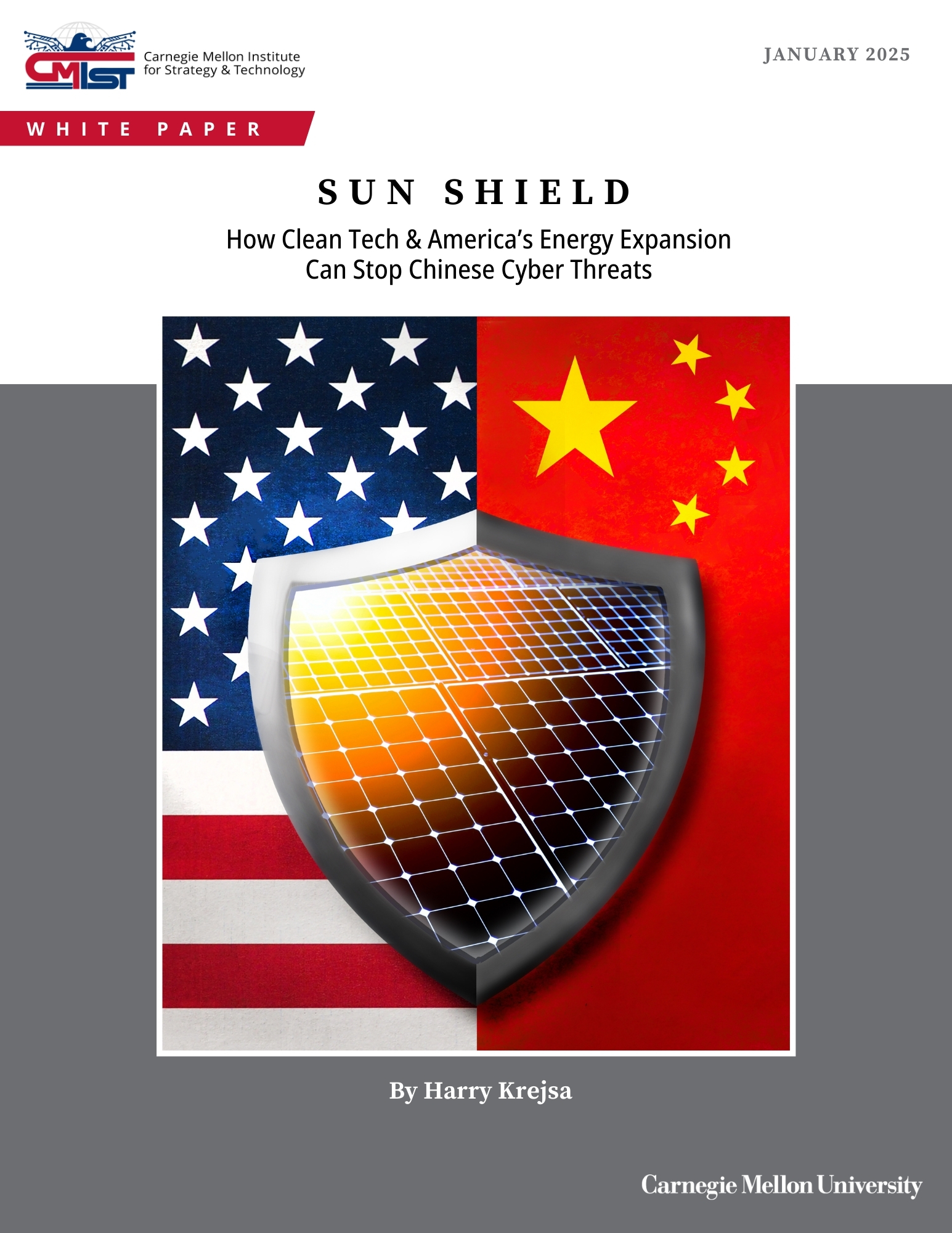
CMIST's inaugural white paper from Director of Studies Harry Krejsa, "Sun Shield: How Clean Tech & America’s Energy Expansion Can Stop Chinese Cyber Threats," discusses how the United States can lead the charge on clean energy while protecting our infrastructure from rising cyber threats. With China's influence in critical energy supply chains growing, it’s time to rethink how we modernize and protect our energy systems. Get insights on upgrading the electrical grid with digitally-native tech, leveraging clean energy deployment to strengthen our cybersecurity, and boosting American leadership in the technologies that will power tomorrow’s economy.


For more on CMIST faculty and staff members' insights on politics, policy, and international affairs, visit CMIST in the Media.
Impact & Action
Congressional Testimony

Watch Testimony
Read Testimony
Krejsa, Harry, Testimony. "Hearing on Securing America’s Energy Infrastructure: Addressing Cyber and Physical Threats." The House Energy & Commerce Committee, Energy Subcommittee. December 2, 2025.
Congressional Testimony

Watch Testimony
Read Testimony
Cronin, Audrey Kurth, Testimony. "Extremism in the Armed Forces." The House Armed Service Committee. March 24, 2021.
Scientists & Strategists
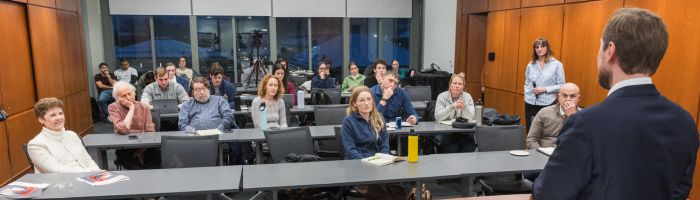
Each semester, our Scientists & Strategists speaker series brings in experts on international relations, STEM, and national and international security to lead engaging and nuanced discussions surrounding the most pressing topics of our time.
Beginning in the fall of 2024, the series has tackled critical issues ranging from the impact of the clean energy transition on US security and industrial strategy to how military strategies are evolving in the age of AI and robotics. It has explored how tech firms are shaping geopolitics, benefits of unified cloud-edge for defense and critical infrastructure, AI and national security, the impact of technology on security and influence in Central and South America, and the US-China AI competition. Most recently, our series covered AI supply chains and the use of unmanned systems in the military.
We look forward to continuing this important series in fall 2026. In the meantime, most discussions in this event series are recorded. We encourage you to view the videos linked below.


Geopolitics of AI Supply Chains with Chris Miller
with Chris Miller (Prof. Mark Kamlet as discussant)

The AI Competition: Democratic Innovation vs. Directed Development in US-China Strategic Rivalry
with John Costello and Dr. Thomas Șerban von Davier

Digital Frontiers: Technology, Influence, and Security in Central and South America
with General (Ret.) Laura Richardson and Minister Paula Bogantes Zamora

AI and National Security: The History and Future of Emerging Technology and Cybersecurity in Conflict
with Mieke Eoyang and Brigadier General Greg Touhill
Previous Scientists & Strategists Events
Academic Year 2024-2025
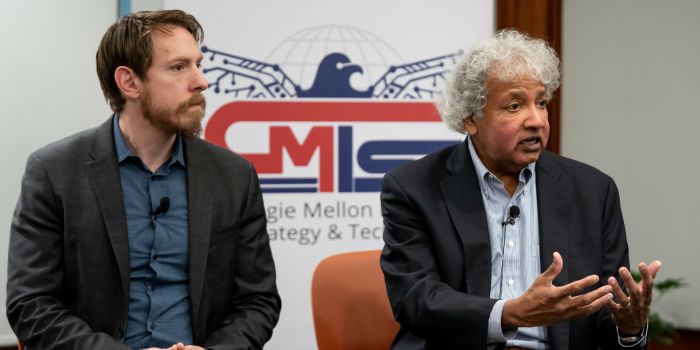 |
Beyond the Cloud: The Rise of Edge Computing with Justin Fanelli and Professor Mahadev Satyanarayanan |
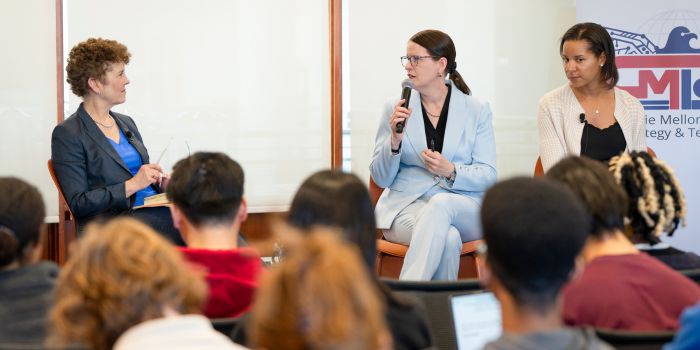 |
with Dr. Laura DeNardis and Lauryn Williams (as discussant) |
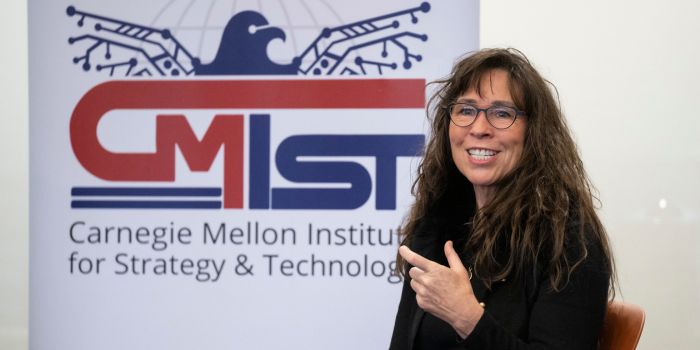 |
Civil-Military Relations: Throughout History and in Modern Times with Dr. Kori Schake |
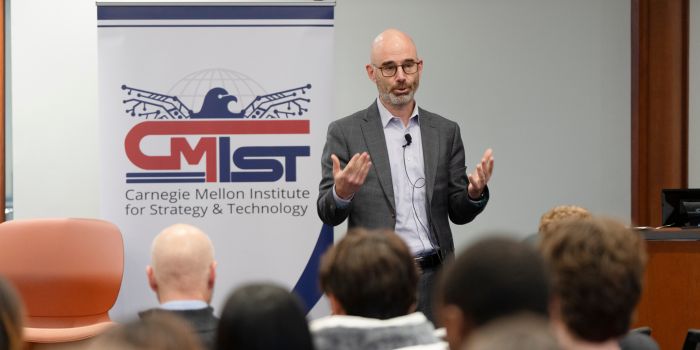 |
How Tech Firms Shape Geopolitics with Adam Segal |
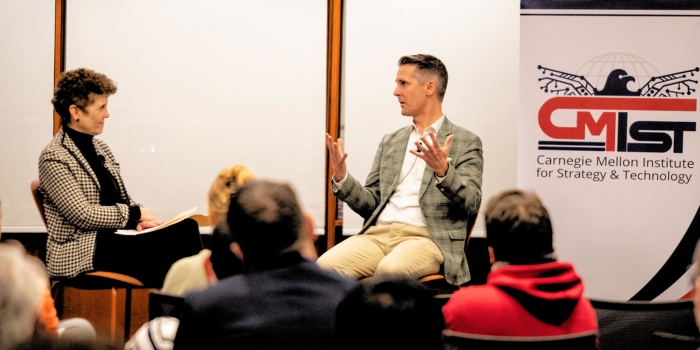 |
Influence Without Arms: The New Logic of Nuclear Deterrence with Professor Matthew Fuhrmann |
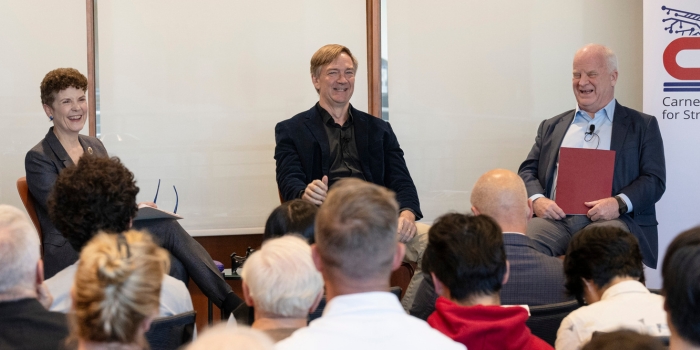 |
Human and Machine: Evolving Military Strategies in the Age of AU and Robotics with Professor Jeff Schneider and Dr. T.X. Hammes |
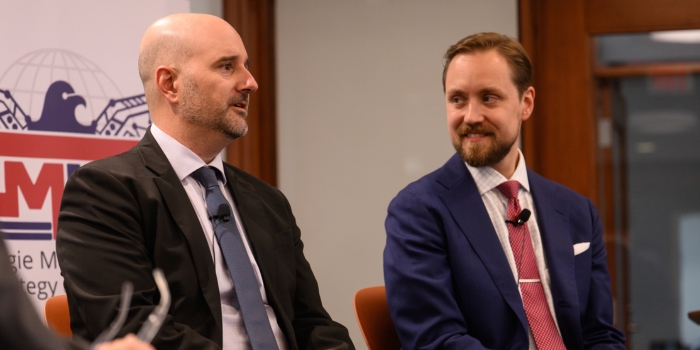 |
Securing Tomorrow: US Industrial Strategy, Security, and the Clean Energy Transition with Costa Samaras and Harry Krejsa |
Academic Year 2023-2024
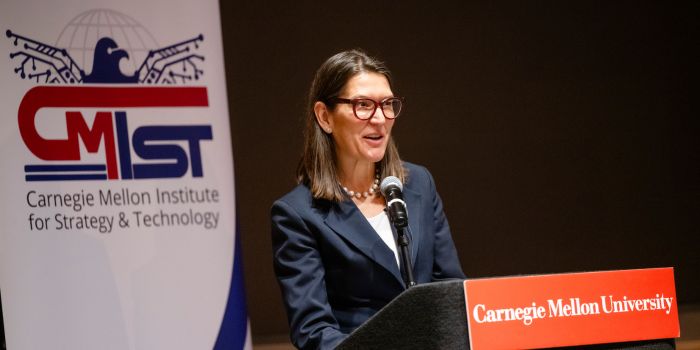 |
The Exceptions: How 16 Women Started a Revolution in Science, and What it Means for Us Today with Kate Zernike |
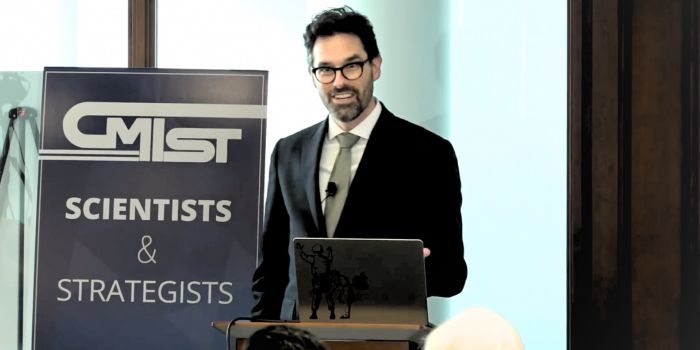 |
with Dr. Sam Weiss Evans |
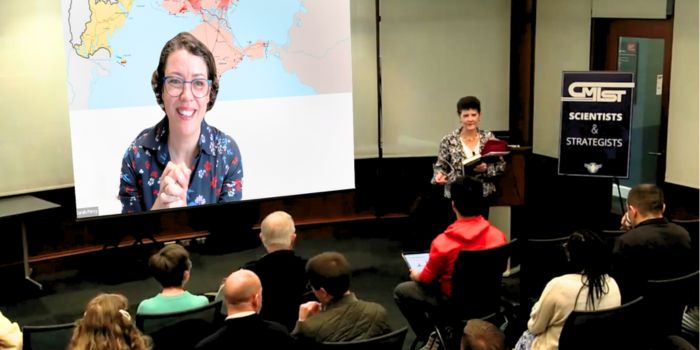 |
Forgotten Warriors: The Long History of Women in Combat with Professor Sarah Percy |
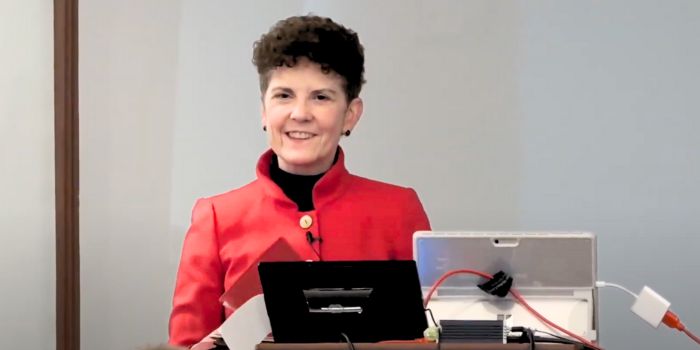 |
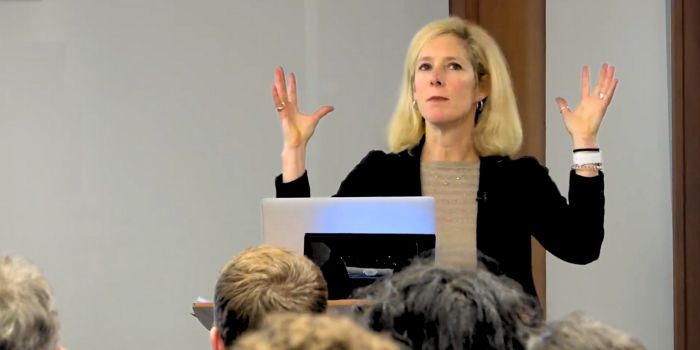
Power to the People: How Accesible Lethan Technology Alters War and Peace with Professor Audrey Kurth Cronin |
 |
Boomers, Doomers, and the Politics of Technology with Professor Sarah Kreps |
Conversations with Senior Leaders
Conversations with Senior Leaders is a speaker series hosted by CMIST that provides a unique platform for emerging leaders to gain insights from seasoned professionals in the fields of national security and technology. Our series brings together distinguished figures who have made significant contributions to their respective fields, providing invaluable perspectives on leadership, strategy, and the challenges and opportunities facing our world today. The events provide insights into the strategic thinking and decision-making processes that have shaped their careers. During these candid discussions, these leaders share their leadership philosophies, strategies for success, and hard-earned lessons learned, offering invaluable guidance to those seeking to navigate complex challenges and achieve their own professional goals.
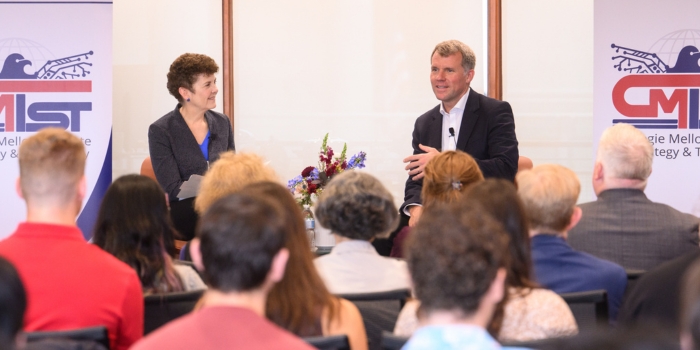
Prof. Cronin and Ambassador Nathaniel Fick discuss the field of tech diplomacy, his current role in shaping U.S. cyberspace and digital policy, and the importance of careers in public service.
Audrey Kurth Cronin
CMIST Director; Trustees Professor of Security and Technology
Nathaniel C. Fick
Inaugural U.S. Ambassador at Large for Cyberspace and Digital Policy.
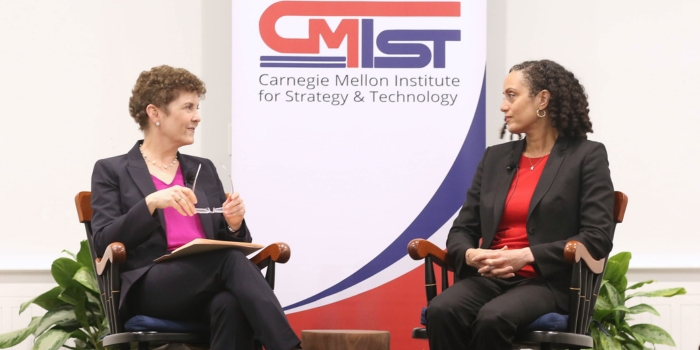
Prof. Cronin and Dr. Dixon discuss the critical impact of public service in advancing national security and lessons learned from Dixon's incredible career at the Office of the Director of National Intelligence (ODNI).
Audrey Kurth Cronin
CMIST Director; Trustees Professor of Security and Technology
Stacey A. Dixon
Principal Deputy Director of National Intelligence
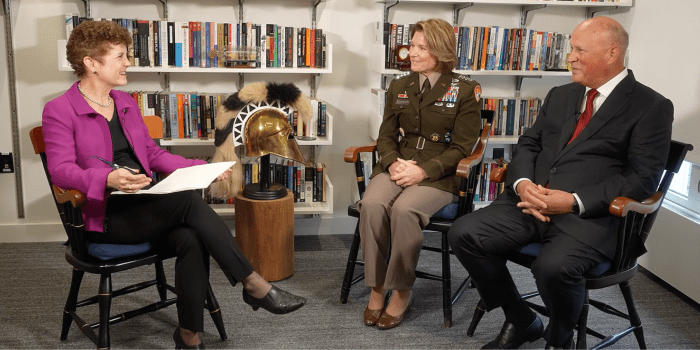
General Laura Richardson and Lieutenant General Jim Richardson offer insights into their esteemed careers, navigating married life in the military, and the art of turning challenges into opportunities.
Audrey Kurth Cronin
CMIST Director; Trustees Professor of Security and Technology
Laura J. Richardson
United States Army General
Commander, U.S. Southern Command
Jim Richardson
Retired, United States Army Lieutenant General; CMU Distinguished Executive in Residence
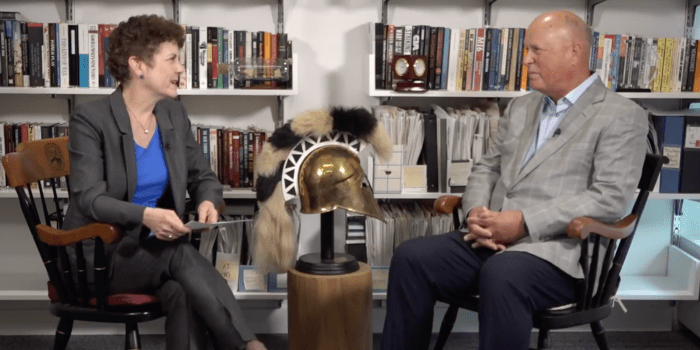
Lieutenant General Jim Richardson shares what he has learned in his career, his thoughts on future technology challenges, and what's next at The Army Artificial Intelligence Integration Center (AI2C).
Audrey Kurth Cronin
CMIST Director; Trustees Professor of Security and Technology
Jim Richardson
Retired, United States Army Lieutenant General; CMU Distinguished Executive in Residence
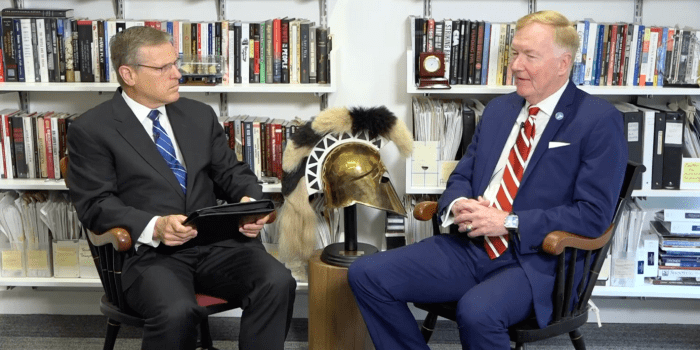
Admiral James Foggo discusses the origins of his naval career, what submarine life is really like, and his thoughts on evolving perceptions on artificial intelligence and unmanned systems.
Patrick Cronin
CMIST Scholar in Residence
Asia-Pacific Security Chair, Hudson Institute
James Foggo
Dean, Center for Maritime Strategy of the Navy League; Retired, Admiral U.S. Navy
Introduction by: Audrey Kurth Cronin, CMIST Director; Trustees Professor of Security and Technology

National Security Fellows Program
Since its inception in 2015, the National Security Fellows Program at Carnegie Mellon University has welcomed service members from the Army, Navy, Air Force, and Coast Guard who bring their wealth of experience as seasoned leaders to the academic environment. Our fellows spend their time at CMU researching, engaging with faculty and scholars, participating in conferences, experiencing cutting-edge simulations, networking across the campus community, and providing mentorship to our students. The goal is to bring accomplished military and national security leaders to campus to harness the intellectually rich opportunities at CMU and study the wide-ranging implications of technological innovations for domestic and international security.
2026-2027 Fellow

2025-2026 Cohort
 Lieutenant Colonel Glen S. Nettrour, US Army War College Fellow
 Major Gabrielle M. Nesburg, US Air Force Cyber Warfare Fellow
 Commander Bryan M. Kilcoin, US Coast Guard Fellow
2024-2025 Cohort
 Lieutenant Colonel Michael A. Duval, US Army War College Fellow
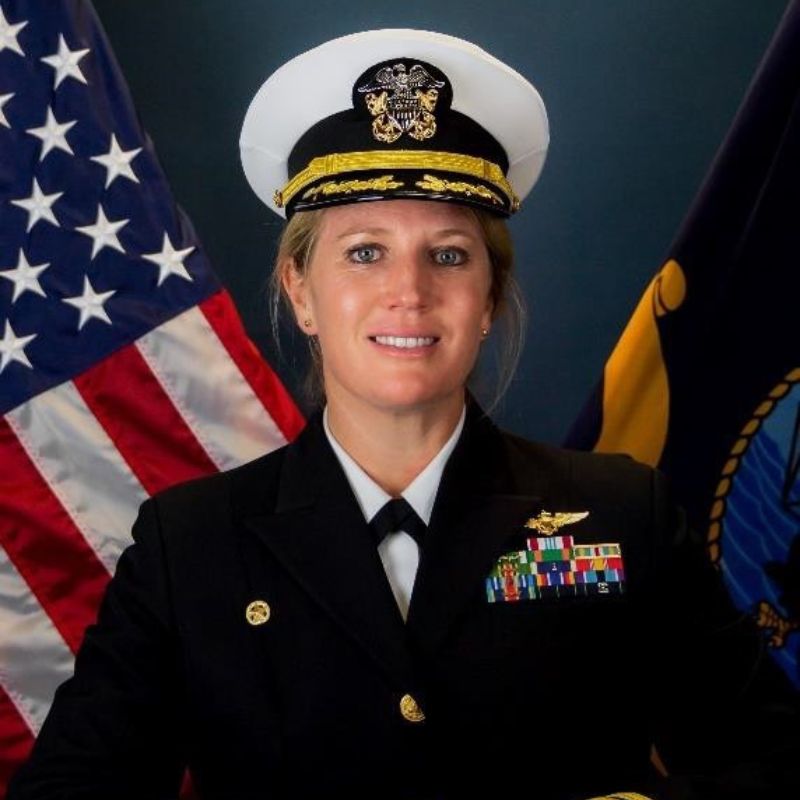 Commander Heather Thomas, US Navy Federal Executive Fellow
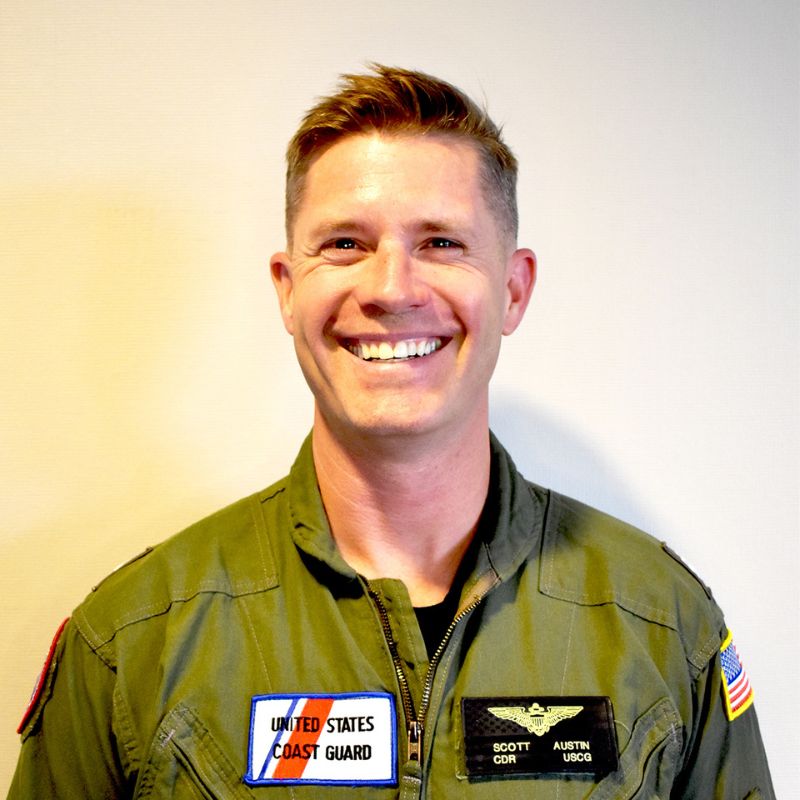 Captain M. Scott Austin, US Coast Guard Fellow
 Major Ronisha M. Carter, US Air Force National Defense Fellow
2023-2024 Cohort
 Lieutenant Colonel Dan Zisa, US Army War College Fellow
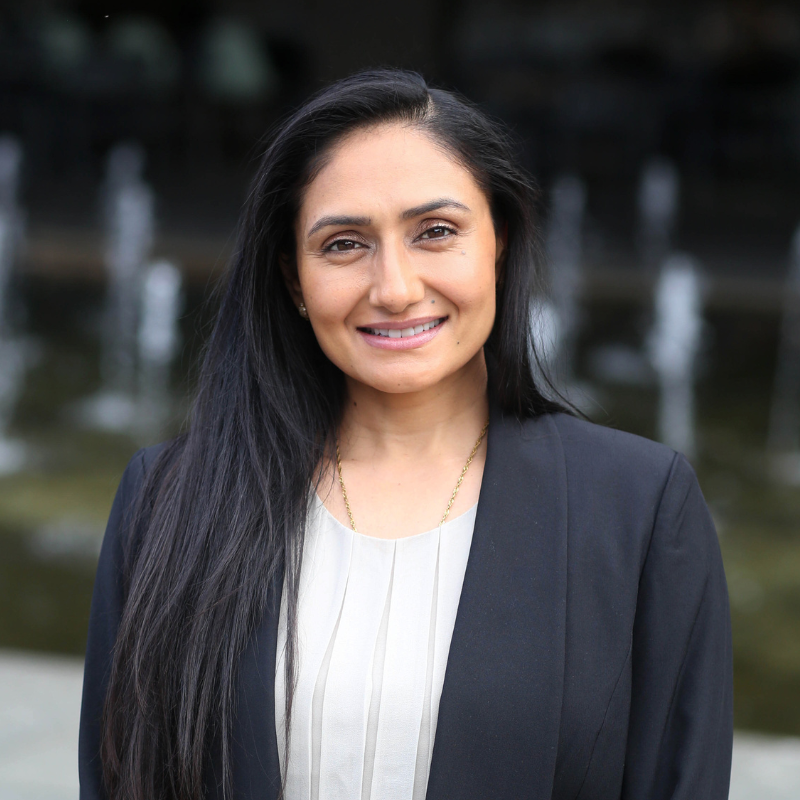 Lieutenant Commander Pratiksha Patel, US Navy Fellow
 Commander Kenneth Sauerbrunn, US Coast Guard Fellow
 Major Bridget Pantaelon, US Air Force National Defense Fellow
2022-2023 Cohort
- Research: Moving Towards a Secure Enterprise Data Analytics Solution
- Alumni update: Promoted to Colonel
Captain Robert Woodruff, US Navy Fellow
2021-2022 Cohort
- Research: Preparing the Service for the use, implementation, and application of Artificial Intelligence and Machine Learning
- Alumni update: Military Professor & Senior Service Advisor Joint Military Operations Department; US Naval War College
Commander Kimberley Manuel, US Navy Fellow
- Research: Russia’s Winning Move
Lieutenant Colonel Steve Curtis, US Army War College Fellow
- Research: The impact of innovation on intelligence and necessary adaptation between now and 2035; the paper will cover broad implications, but drill down four themes on how we collect, and protect, information in the future.
2020-2021 Cohort
Commander Clinton Christofk, US Navy Fellow
- Research: Investing in Asymmetry: Battle Force 2045 and Maintaining Undersea Dominance
Colonel Michael Needham, US Army War College Fellow
2019-2020 Cohort
Lieutenant Commander Eren D. Cataloglu, US Navy Fellow
Lieutenant Colonel Mark Zais, US Army War College Fellow
- Research: First Place in 2020 Department of Defense, Chairman of the Joint Chiefs of Staff National Defense Strategy Paper Award.
- Alumni update:
- Integration Innovation, Inc.; Senior Technologist (Data Science), Aug 2022-PRESENT
- USSOCOM · Full-time USSOCOM · Full-time Jun 2020 - Jun 2022; Chief Data Scientist
2018-2019 Fellow
Lieutenant Colonel Daniel C. Wood, US Army War College Fellow
- Research: The DoD’s Pursuit of Artificial Intelligence: A Strategic Risk-Cost-Benefit Analysis
2017-2018 Fellow
Lieutenant Colonel Jonathan W. Hughes, US Army War College Fellow
- Research: Countering Russia in the Gray Zone: A Case for AI
2016-2017 Fellow
Colonel Harold L. La Rock, II, US Army War College Fellow
- Research: Improving Strategic Risk Assessment and Communication
2015-2016 Fellow
Colonel Mary Lou Hall, US Army War College Fellow
- Research: System 3: Artificial Intelligence in Decision Making
- Alumni Update:
- Chief Data Scientist, Directorate for Analysis, Defense Intelligence Agency
- US Army, Director, Program, Budget and Acquisition, Joint Artificial Intelligence Center, May 2019-Oct 2021
- Chief Data Scientist, Defense Portfolio, Accenture Federal Services · Oct 2021
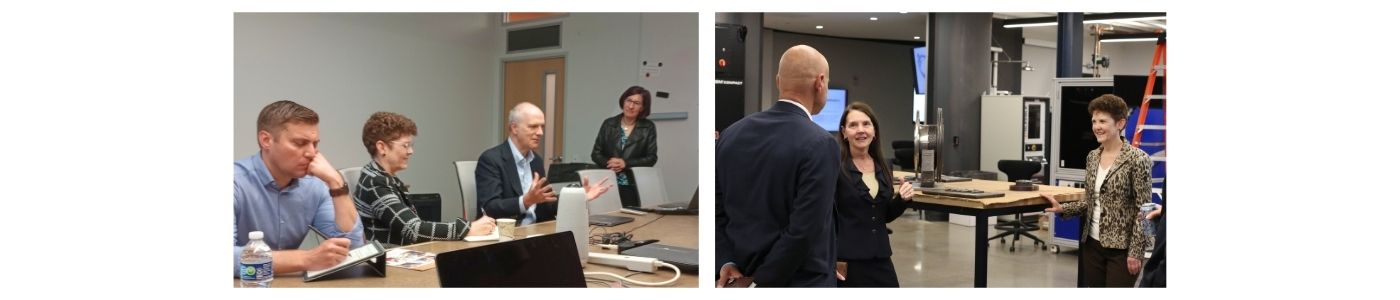
 (L to R: Commander Bryan M. Kilcoin, Lieutenant Colonel Glen S. Nettrour, Major Gabrielle M. Nesburg)
 (L to R: Colonel Retired Ralph López, General Retired Laura Richardson, Lieutenant Colonel Glen S. Nettrour, CMIST Director Audrey Kurth Cronin, Lieutenant General Retired Jim Richardson, Commander Bryan M. Kilcoin)
 (L to R: Major Gabrielle M. Nesburg, CMIST Director Audrey Kurth Cronin, Commander Bryan M. Kilcoin)
GLOBAL IMPACT
As emerging technologies shift the global balance of power, CMIST delivers the analysis, strategy, and cross-sector collaboration required to safeguard international stability. Our scholars and practitioners examine how critical innovations reshape alliances, governance structures, and democratic resilience. By working alongside partners worldwide, we help ensure that technological progress strengthens the global order, protects open societies, and serves the long-term public good.
Digital Diplomacy
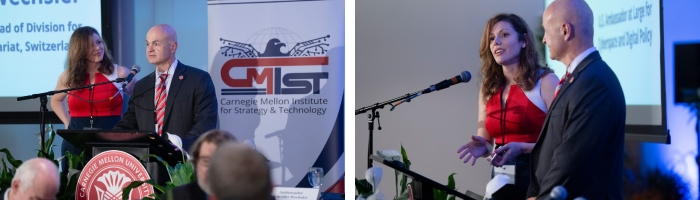
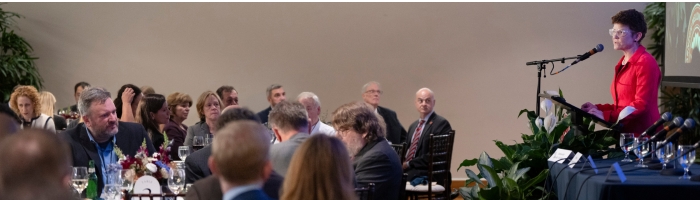
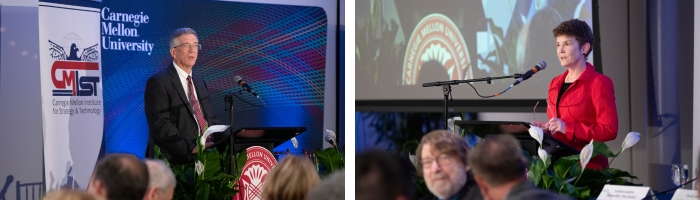
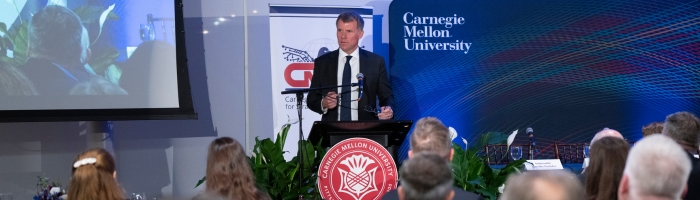
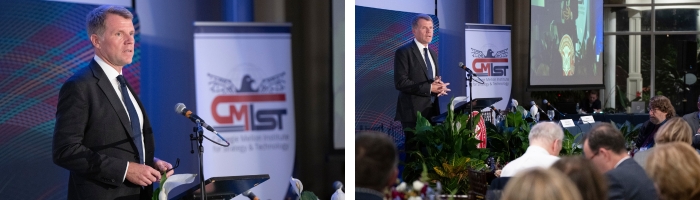
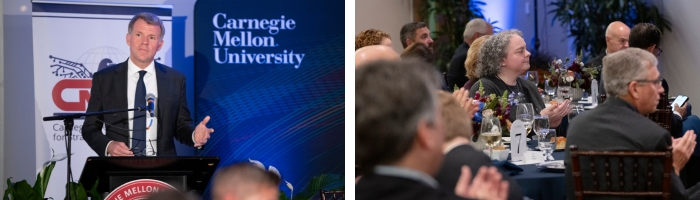
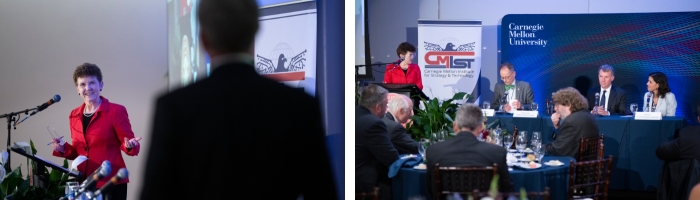
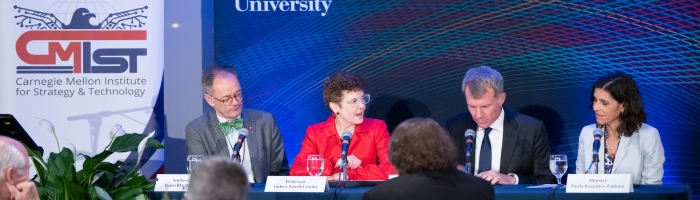
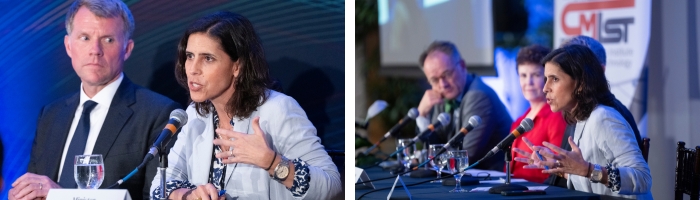
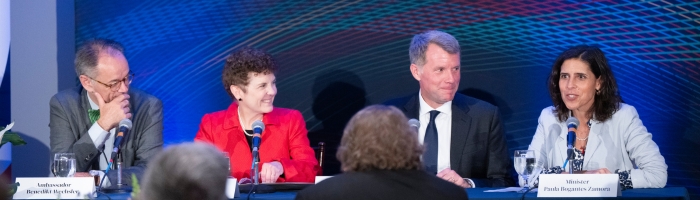
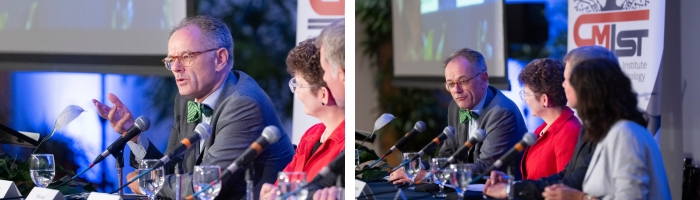
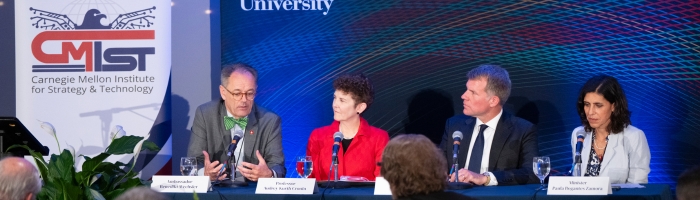
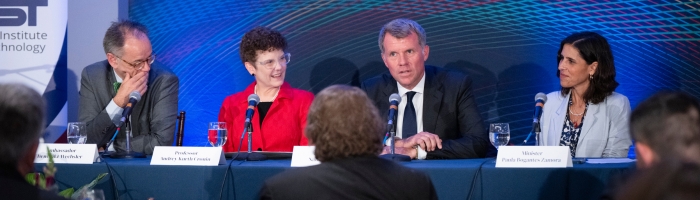
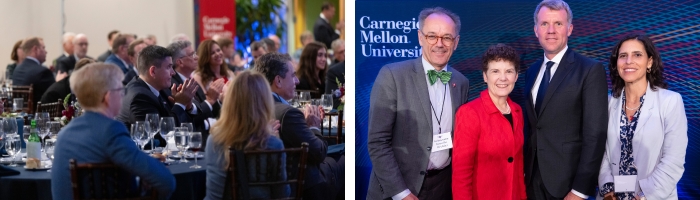
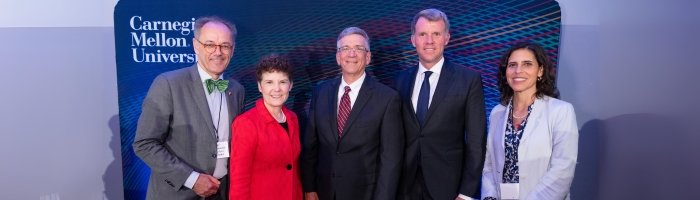
Carnegie Mellon University and the Carnegie Mellon Institute for Strategy and Technology hosted a thought-provoking event—Digital Diplomacy: Building Solidarity in Cyberspace. The evening kicked-off with welcomes by CMIST Director Audrey Kurth Cronin and CMU Provost Jim Garrett. Keynote speaker Nathaniel Fick, inaugural US ambassador at large for cyberspace and digital policy, explored worldwide trends in tech and digital diplomacy. A panel featuring international diplomats Minister Paula Bogantes Zamora of Costa Rica and Ambassador Benedikt Wechsler of Switzerland followed the keynote and was moderated by CMIST Director Audrey Kurth Cronin.











Geopolitics in the Age of AI
In the spring of 2026, CMIST launched a new speakers series entitled Geopolitics in the Age of AI. This series explores how technological transformation is reshaping the enduring forces of power, conflict, economics, and global order. As artificial intelligence increasingly drives change across industries, institutions, and statecraft, understanding today’s geopolitical landscape requires engaging not only traditional sources of power—military strength, territory, and economic leverage—but also the emerging dynamics of data, algorithms, and computational advantage.
Speakers examine how AI is reshaping strategic competition between states, redefining national security, and shifting the balance between public and private power. The series also considers technology companies as geopolitical actors, influencing everything from information ecosystems and cyber capabilities to critical infrastructure and addresses the broader societal implications of AI, including economic disruption, governance challenges, and the ethical questions raised by rapidly advancing technologies.
Discussing the US strategy in Iran, Jon Alterman, Zbigniew Brzezinski Chair in Global Security and Geostrategy at the Center for Strategic and International Studies (CSIS), joined CMIST for an advanced briefing of the new series. In April 2026, the series launched with a lecture by CMU alumni and former trustee, Luis Ball, who provided an overview of Venezuela's 20th-century development and the impact on today's global energy and security landscapes.


US Army War College International Fellows Visit
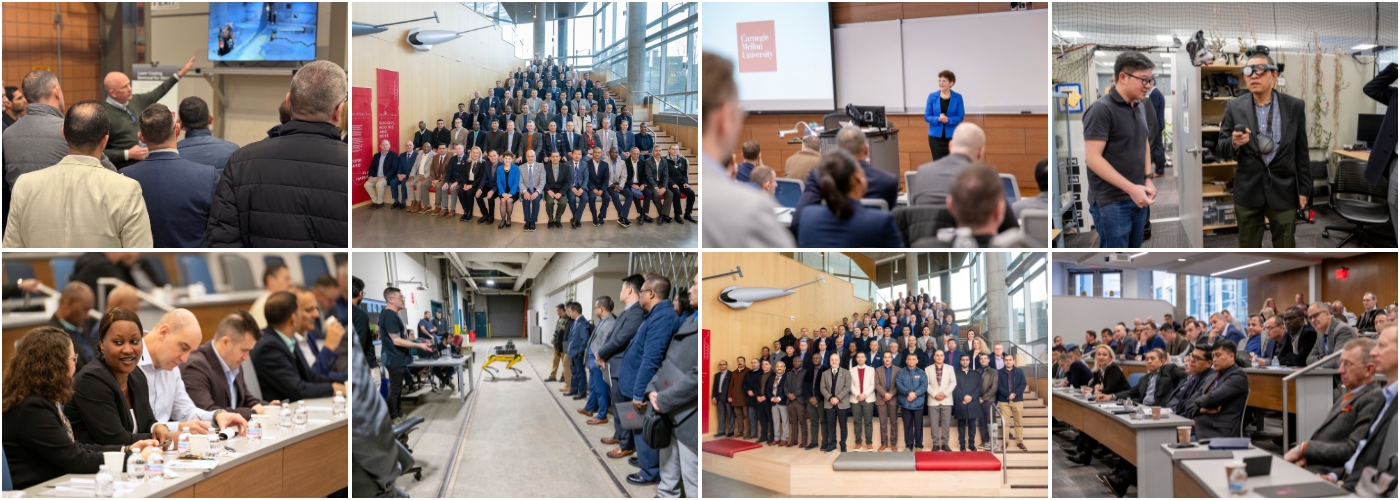
US Army War College International Fellows Engagements (2024, 2025, 2026)
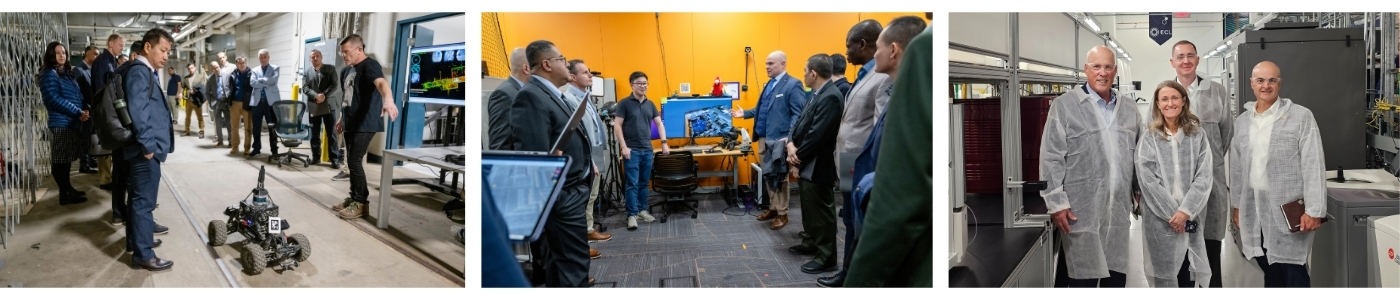
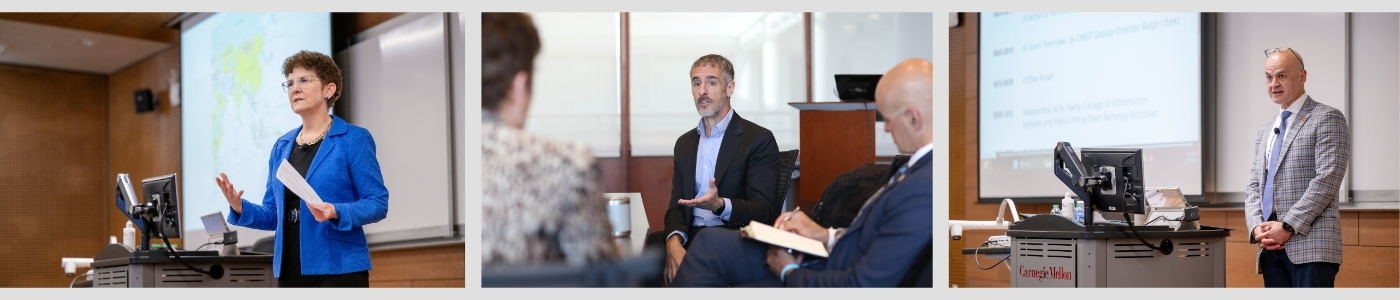
CMIST has joined with Heinz College of Information Systems and Public Policy for three consecutive years to host the United States Army War College International Fellows cohorts for a site visit at CMU. The daylong program includes in-depth briefings on key topics from CMU's leading experts in emerging technology, global studies, and policy, followed by relevant lab tours. This firsthand exposure to cutting-edge research is invaluable for international leaders seeking to understand and address global challenges.
Discover Germany


AMERICAN CIVICS & LAW
Lawfully Speaking
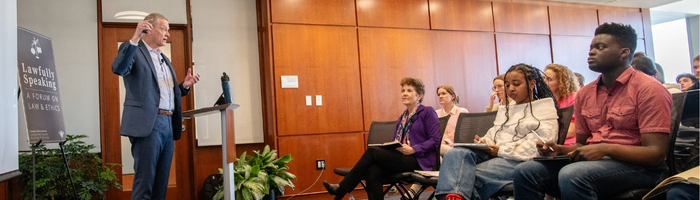
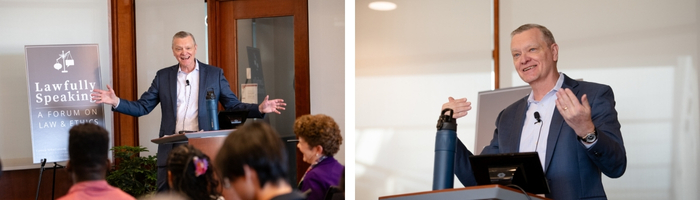
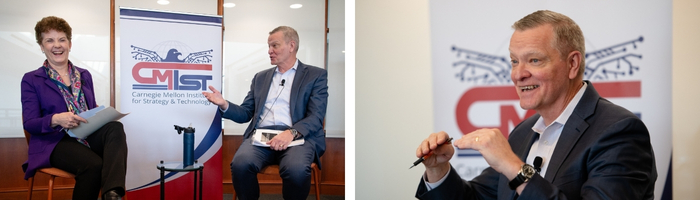
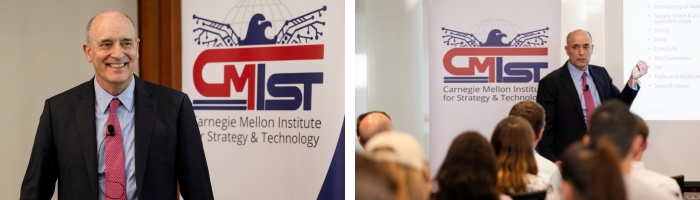
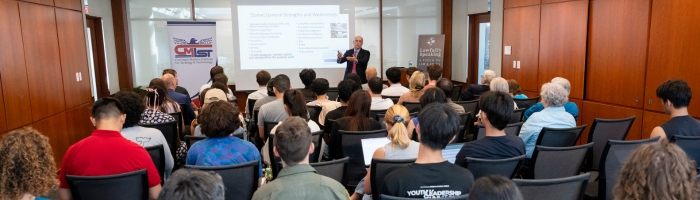
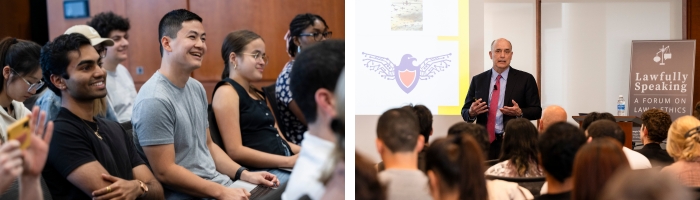
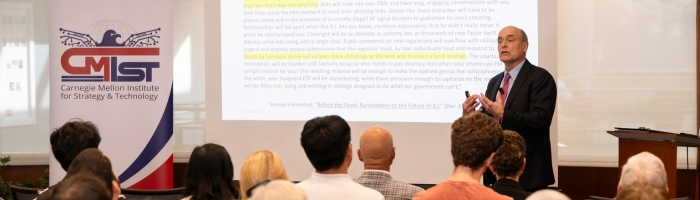
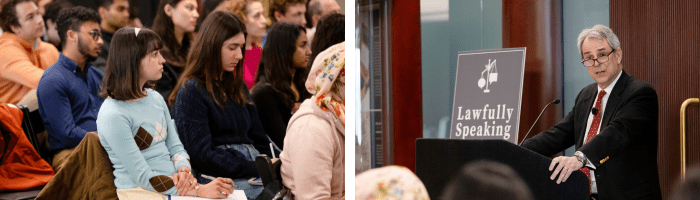
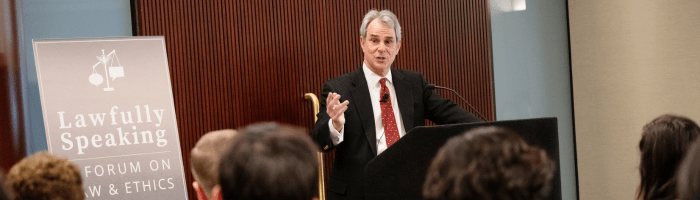
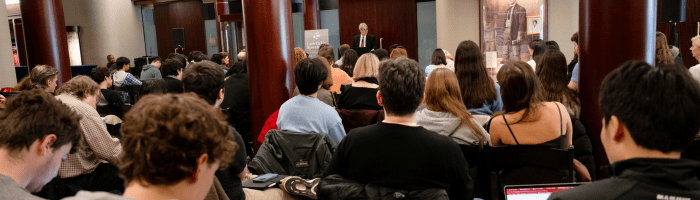
To complement its new American Politics and Law minor, CMIST launched Lawfully Speaking: A Forum on Law & Ethics in the spring of 2024. This lecture series fosters open dialogue on legal and ethical issues, offering a learning environment for those curious about the intersection of law and ethics. The debut lecture was delivered by international lawyer John Bellinger, who currently handles a range of cutting-edge international legal dilemmas—from questions of state sovereignty to laws of war and trade disputes.
In his lecture, "Who’s Afraid of International Law? Why the Senate is Approving Fewer Treaties," Mr. Bellinger discussed why US presidents are entering into more international agreements that do not require Senate approval.
In our fall 2024 installment of Lawfully Speaking, the Honorable Judge James E. Baker discussed the future of artificial intelligence regulation and national security in his presentation entitled, "Promise and Peril: The Next Ten Years of National Security AI and its Regulation."
William Renn Gade, deputy general counsel for intelligence and security with the Department of Defense, explored the impact of technological advancements on the law of warfare in his talk, "The Revolution in Military Affairs, Law, and the Future of Warfare," for CMIST's spring 2025 event.
Senior director of technology security and AI policy at Microsoft, Lala Qadir, joined CMIST for the fourth Lawfully Speaking event, entitled “From Science to Strategy: Navigating a Career at the Nexus of Law, Technology, and Policy.” Qadir spoke about career journey, which took her from chemistry to policy, to law, to strategy.
More recently, Ashley Deeks, vice dean and Class of 1948 Scholarly Research Professor at the University of Virginia Law School, joined CMIST virtually to discuss her recent book, "The Double Black Box: National Security, Artificial Intelligence, and the Struggle for Democratic Accountability."Deeks explored the growing concern about the capacity of existing regulations to ensure government accountability as the US increasingly adopts advanced AI systems.



Deeper Conversations
Deeper Conversations, which President Farnam Jahanian launched in January 2024, is a university-wide initiative aimed at promoting the power of civil discourse. It spans a range of programming options—from scholarly lectures to cultural events—to engage members of the Carnegie Mellon community in studying and discussing some of the most complex challenges facing society today. Each wave of programming explores a specific divisive issue and is open to CMU students, faculty and staff.
Here's a look at CMIST's involvement in Deeper Conversations which focused on exploring critical topics related to democracy and the election.
Cyber-Enabled Nation-State Influence Operations: Are Russia, China and Iran Interfering in the U.S. Election?
On October 28, this session examines recent evidence of nation-state interference in U.S. elections and discusses strategies to protect our democratic process from these threats. Panelists include Bret Schafer, Bryan Prior, and Darren Linvill and is moderated by CMIST Director Audrey Kurth Cronin.
Bridging the Divide: Understanding and Addressing Political Polarization in America
On September 11, this panel, featuring CMU faculty members Kevin Zollman, Jonathan Cervas (CMIST), and Karina Schumann and moderated by Dean Richard Scheines, delved into the structural forces driving this polarization and explored potential solutions.
EXECUTIVE EDUCATION
Our executive education courses are designed to meet the unique needs of organizations seeking to fully leverage their human talent while operating at the intersection of security, strategy, and technology. The program of learning combines cutting-edge tech, strategic thinking, and practical knowledge, enabling immediately applicable insights. Through collaborative design, the unique programming sets conditions for any organization to stay at the forefront of innovation by priming their workforce to better leverage technological change. Our team of experts builds custom courses to incorporate artificial intelligence, machine learning, prompt engineering, cybersecurity, robotics, automation, computer vision, and other emerging technologies shaping the future of national and international security.
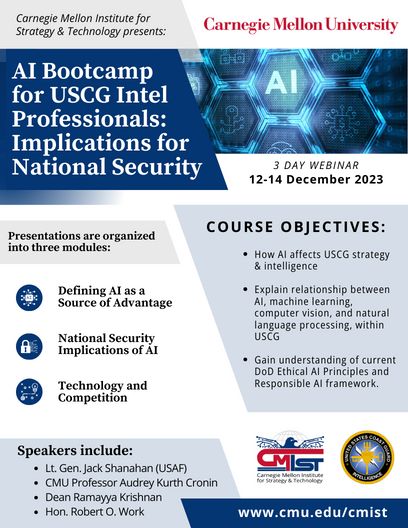
ArtificiaI Intelligence Bootcamp for the United States Coast Guard
Recognizing the critical need for a workforce development primer on artificial intelligence, the US Coast Guard Assistant Commandant for Intelligence (CG-2) turned to CMIST to build a tailor-made, three-day webinar. Through extensive collaboration across Carnegie Mellon University, CMIST crafted an educational program specifically designed to address the implications of AI for both the intelligence community and the broader US Coast Guard. This virtual program, developed by CMIST, successfully engaged 250 to 500 mid- to senior-grade officers and non-commissioned officers from the intelligence communities of both the Coast Guard and US Navy, located across various time zones and locations.
To address this complex and nuanced topic, CMIST designed the course to feature three modules: Defining AI as a Source of Advantage, National Security Implications of AI, and Technology and Competition. Expert speakers on these topics included senior leaders, security scholars, policy experts, and scientists.
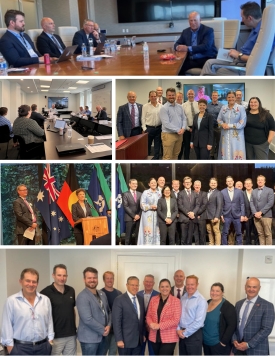
Global Security, Geopolitics & Defense Cooperation Class
CMIST played a key role in the Global Security, Geopolitics & Defense Cooperation Class hosted by The Carnegie Mellon University Tepper School of Business, as part of the The University of South Australia (UniSA) Global Executive Master of Business Administration (GEMBA) in Defense and Space. Held in Washington, DC, in October 2024, CMIST, working in conjunction with the Tepper School of Business, designed and managed a five-day geopolitics module as part of the larger eighteen-month GEMBA program delivered across Australia, the United Kingdom, and the United States. The program offers participants a unique opportunity to collaborate with international defense and space experts.
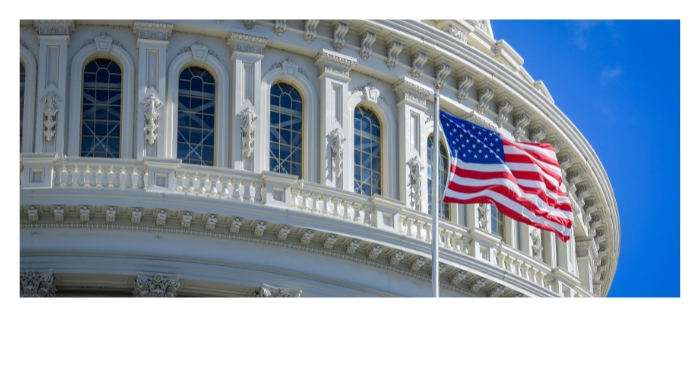
For the Washington module, CMIST was instrumental in providing the cohort access to renowned academics and defense leaders, significantly enhancing their geopolitical understanding in areas like Executive Communications, the Geopolitics of Key World Regions, and International Law and National Security. Additionally, CMIST arranged a tour of the United States Capitol for the cohort and organized meetings with L3Harris industry leaders, the Chief Technology Officer of the United States Navy, and the Chief Technology Officer of NASA.
Why Choose CMIST?
- Expert Faculty: Learn from industry experts, accomplished practitioners, and thought leaders who bring real-world insights to each course.
- Customized Learning Curriculum: Tailor education courses with a curriculum that aligns with specific career goals and organizational needs.
- Global Network: Join a vibrant community of professionals, fostering valuable connections and collaborations across industries and geographies.
- Practical Application: Our courses emphasize practical application, ensuring that you can immediately apply your newfound knowledge and skills in your professional life.
Interested in creating an executive education program?
 Contact CMIST Deputy Director for Security Policy Studies, Dr. Ralph López.