Investing in Tomorrow
At Carnegie Mellon University, our investments in tomorrow tell a story far richer than dollars — a story of authentic human, scientific, and economic impacts that shape the future. We empower generations of visionaries through collaborative learning tools like Learnvia and career-defining student experiences. CMU research collaborations improve lives in our community and beyond — from pioneering at-home cancer detection and computational humanities to driving regional economic growth through the Robotics Innovation Center in Pittsburgh. Strategic investments and disciplined financial management underpin every effort to turn bold questions into breakthroughs that ripple out far beyond our campus and well into the future. By aligning resources to eliminate barriers and shape a better future, Carnegie Mellon remains dedicated to expanding the boundaries of the known and turning what if into what’s next.
Highlights from the CFO and CIO
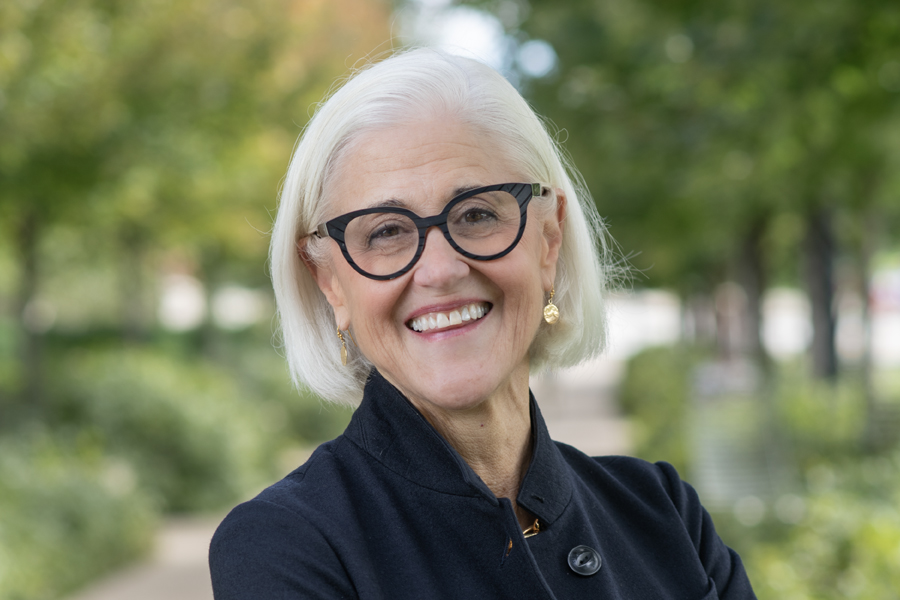
MaryFrances McCourt, Interim Vice President for Finance and CFO
It’s my absolute privilege to join the Carnegie Mellon University community at this pivotal moment in the history of American higher education.
Carnegie Mellon’s passion for interdisciplinary educational excellence and pioneering research creates transformative breakthroughs. Every dollar that we invest intentionally in our mission today ripples outward to make the world a better place — now and well into the future.

Charles A. Kennedy, CIO
Carnegie Mellon University seeks to shape the future for the greater good by providing transformational research and education focused on advancing knowledge and understanding in science, technology, the humanities, business, and the fine arts. Carnegie Mellon’s endowment is a key strategic asset in achieving this mission. Created largely through incredible acts of philanthropy and augmented by careful financial stewardship, the endowment stood at a market value of $4.0 billion as of June 30, 2026.
Year in Review
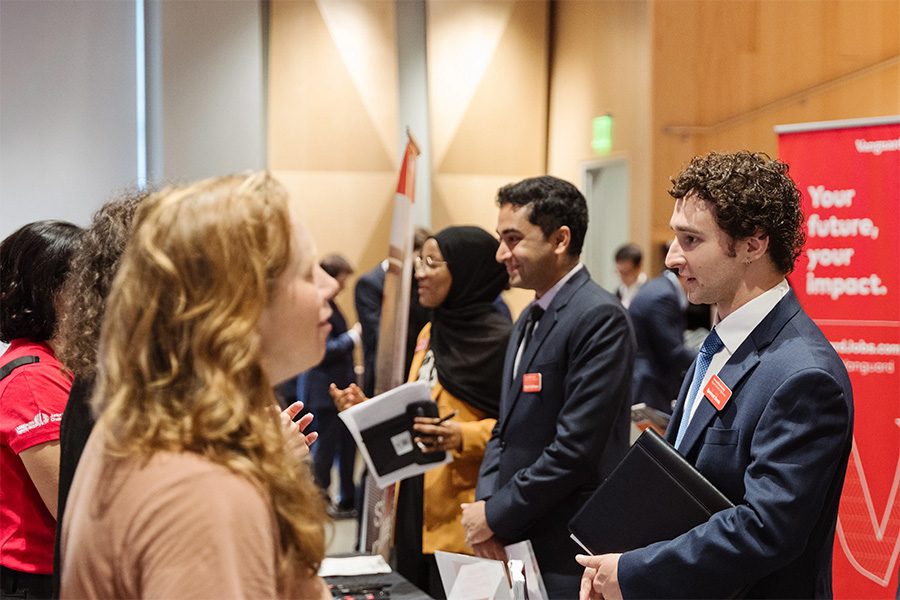
Outpacing the Nation: Carnegie Mellon Graduates Find Job Market Success
University graduates face a shifting job market, but recent data shows that CMU grads outpace national trends to launch careers in their desired field. For decades Carnegie Mellon has focused on supporting students from start to finish with educational opportunity programs (e.g., CMU Pathway Program, Tartan Scholars, and Rales Fellows), career coaching, networking, hands-on internships, industry connections — and even 24/7 interactive support. This approach helps ensure our students can successfully start their careers upon graduation and has earned CMU recognition across several prestigious career placement rankings.
Read How CMU Graduates Are Beating National Job Market Trends
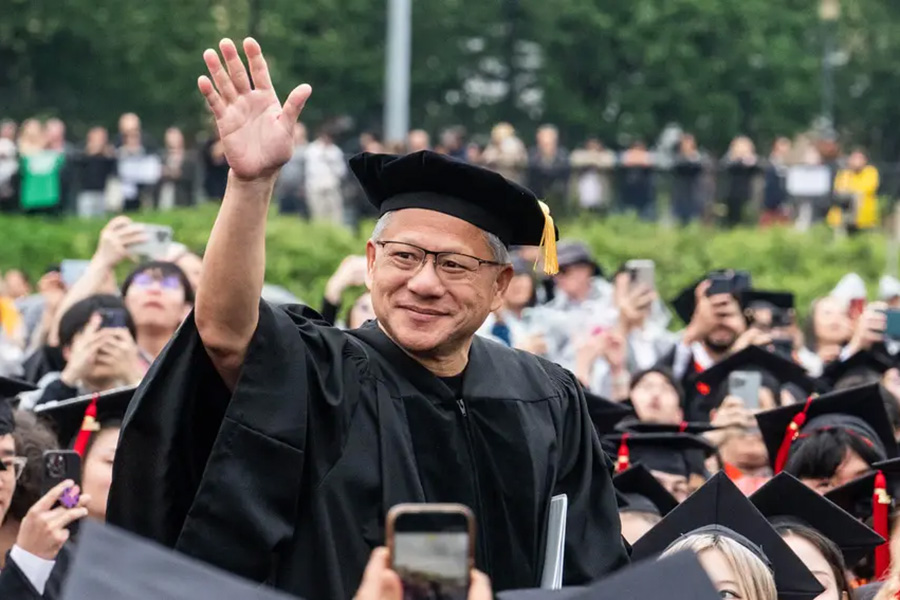
NVIDIA Founder, CEO Jensen Huang to Carnegie Mellon University Graduates: 'Shape What Comes Next'
As the 2026 commencement ceremony keynote speaker, Jensen Huang, founder and CEO of NVIDIA, challenged more than 5,800 new graduates to urgently embrace this moment of accelerated change. Huang offered wisdom about the transformative power of AI and the rewards of pursuing big ideas, taking ambitious risks, and using well-honed creativity to shape the future. Also at the ceremony, CMU Provost James H. Garrett Jr. conferred four honorary degrees, including one to Huang in recognition of his extraordinary contributions as a visionary founder and technology leader. President Jahanian and Simi Olusola-Ajayi, a graduating master's student in Human-Computer Interaction who represented her class at the ceremony, spoke inspiringly about how the newly minted graduates are ready to address society’s most urgent needs with the bold, collaborative spirit that defines the Carnegie Mellon experience.

CMU’s Robotics Innovation Center Fuels Pittsburgh’s New Economic Renaissance
Carnegie Mellon’s Robotics Innovation Center (RIC) is helping to drive Pittsburgh’s next wave of economic growth by connecting world-class robotics research with industry, entrepreneurs, and the region’s growing technology ecosystem. Backed by a $45 million lead grant from the Richard King Mellon Foundation, a $1.5 million state investment, and generous support from the Heinz Endowments, Claude Worthington Benedum Foundation, and numerous other partners, the RIC brings together thinkers, dreamers, and doers to develop transformative technologies with real-world impact while creating opportunities for serendipitous innovation, investment, and employment in our region and beyond.
Read More About how CMU Invests Locally To Spur Innovations with Real-World Impact
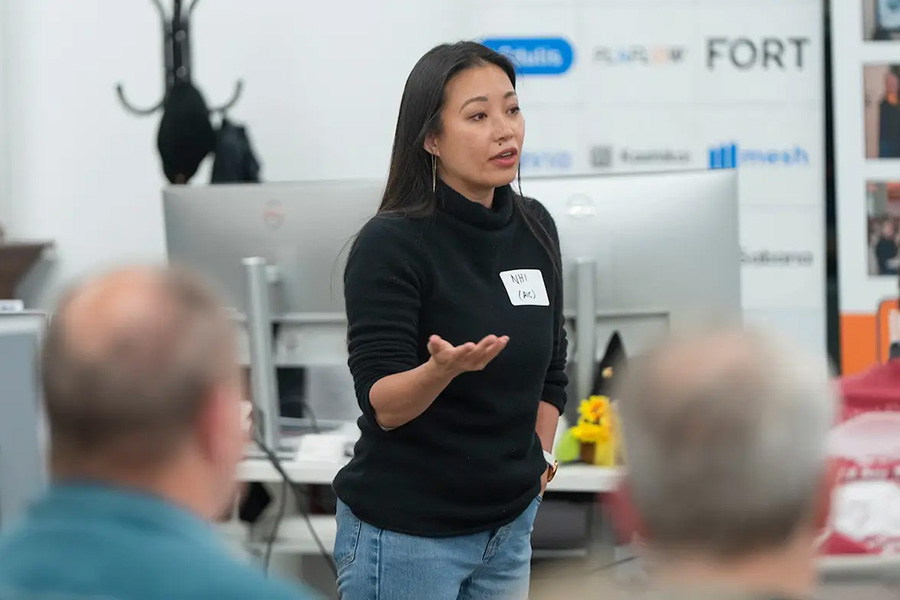
Carnegie Mellon University Launches Deep Tech Venture-Ready Program To Speed Breakthrough Science to Market
CMU’s Deep Tech Venture-Ready Program offers a new approach to bridging the persistent gap between university research and venture-scale company formation and positions the university as a national model for venture-integrated research translation. Backed by $240 million in soft-circled capital commitments from venture firms and corporate partners, the cohort program aims to accelerate the commercialization of breakthrough science by preparing CMU researchers to engage top-tier venture capital firms with credibility, strategy, and investor fluency.
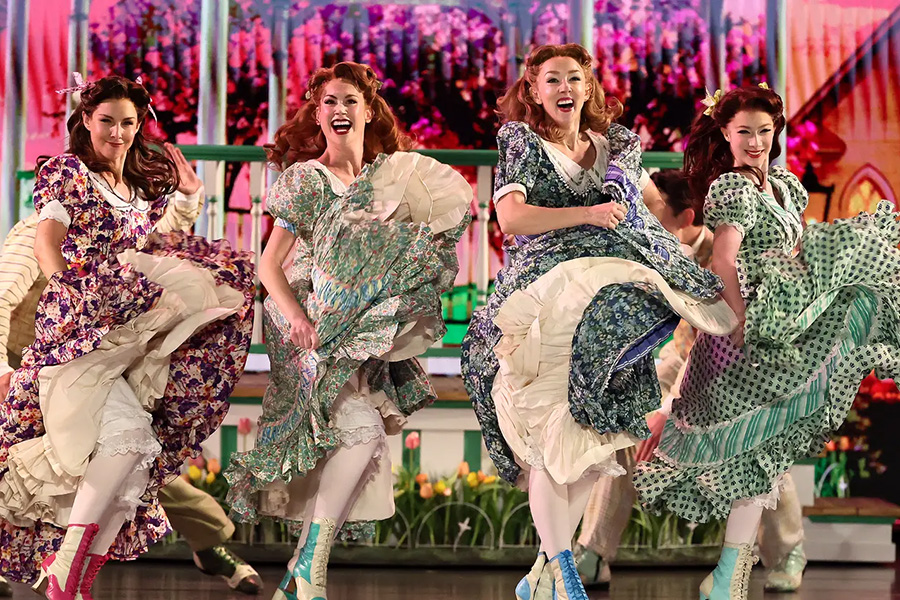
Carnegie Mellon Alumna Earns Tony Award for Best Musical
The CMU School of Drama is the United States’ oldest degree-granting drama school and consistently ranks among the world’s best. This year, Carnegie Mellon alumni once again took center stage at the 79th Annual Tony Awards, with School of Drama alumna and producer Jamie deRoy winning a Tony Award for Best Musical, and alumnus and lighting designer Jules Fisher — considered the “gold standard” in his art form — receiving the notable Special Tony Award for Lifetime Achievement in the Theatre. Several other CMU alumni also made a splash at the event by being featured prominently among the performers, presenters, and nominees.
Read More About How CMU Alumni Lit Up Broadway’s Biggest Stage

Carnegie Mellon Launches Learnvia to Catalyze Student Success Nationwide
Learnvia aims to provide free, AI-enabled courseware and evidence-based learning innovations to improve student outcomes in high-enrollment gateway college courses, in which students may face barriers to academic progress and degree completion in higher education. Leveraging a landmark $55 million investment from the Gates Foundation and CMU’s longstanding leadership in Learning Science and AI, this new nonprofit learning collaborative has the potential to transform the academic and career trajectories of hundreds of thousands of learners nationwide.
Read More About how Learnvia Is Poised To Realize Transformative Academic Gains at Scale
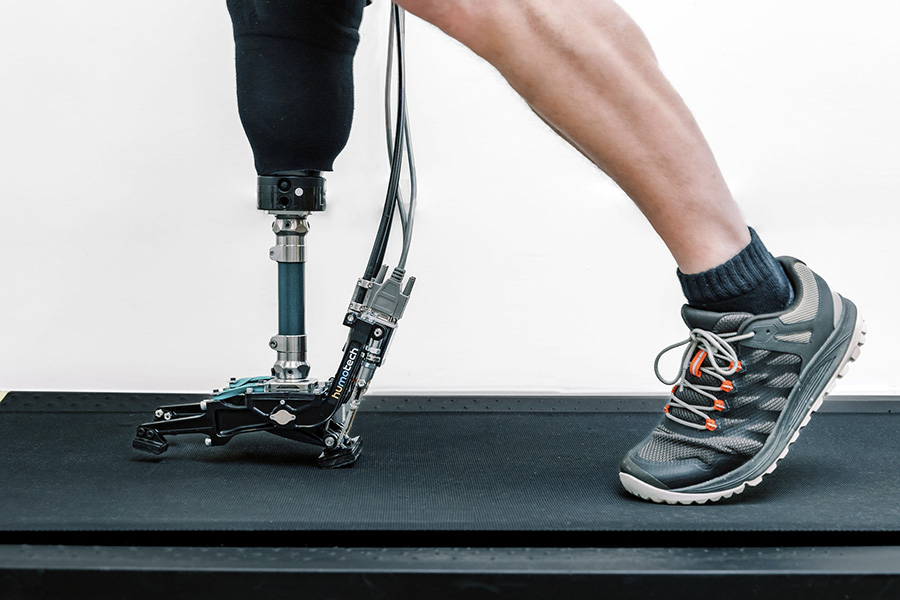
CMU Health Startups That Could Improve Patient Care
At Carnegie Mellon University, breakthroughs in robotics, materials science, and bioengineering work toward a shared goal: making healthcare more precise and less burdensome for patients and providers. CMU-affiliated startups are developing a data-driven system for choosing prosthetics, a dissolvable implant for chronic gastrointestinal diseases, 3D-bioprinted tissue for diabetes treatment, and sensor-enabled tools that give surgeons real-time feedback. Translating academic research into technologies that are more precise, personalized, and accessible could mean improved healthcare for millions.
Read More About How CMU’s Health Startups Support Both Patients and Providers

The Ultimate Draft Pick: CMU Showcases the Winning Power of Sports Innovation
During NFL Draft Week 2026, CMU brought together civic and sports leaders, innovators, and investors in Pittsburgh to demonstrate artificial intelligence and robotics innovations that are transforming the future of how athletes, fans, and the industry at large experience sports. More broadly, it showcased how CMU’s cutting-edge research and the thriving AI ecosystem in our region create an innovation economy that intersects with the traditional strengths of the industrial economy to ensure Pittsburgh, Pennsylvania, and the country can compete globally.
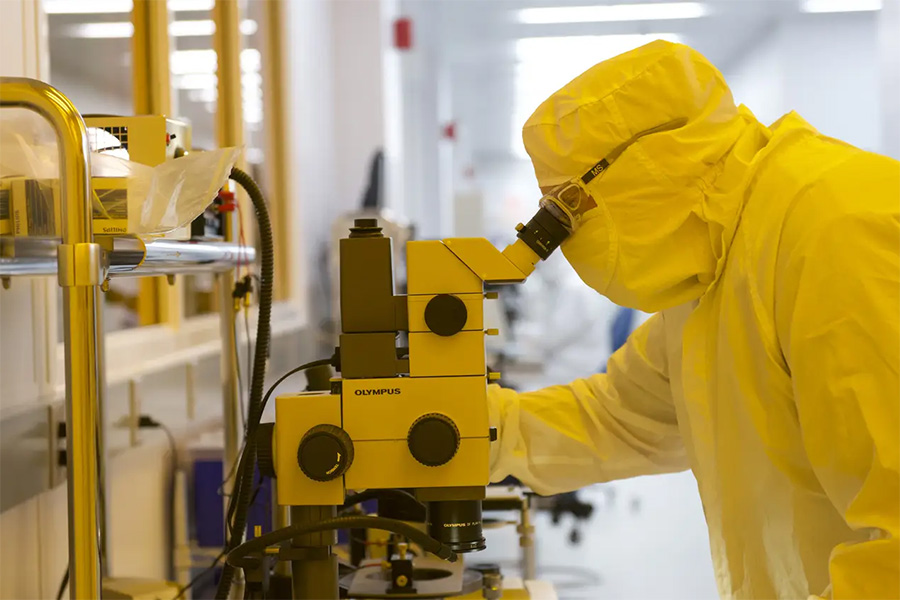
The At-Home Test That Could Catch Cancer Earlier
A Carnegie Mellon researcher is developing an innovative cancer screening test that could help detect more than 30 types of Stage 1 cancer earlier than ever before — and in the comfort of patients’ own homes. The approach features a bioengineered pill containing sensors that respond to telltale signs of cancer and a device that can detect whether a tumor is present and identify its tissue of origin. Results can then be sent through a smartphone to a medical professional for further analysis and potential treatment. The Advanced Research Projects Agency for Health (ARPA-H) awarded this highly promising research up to $26.7 million for further development.
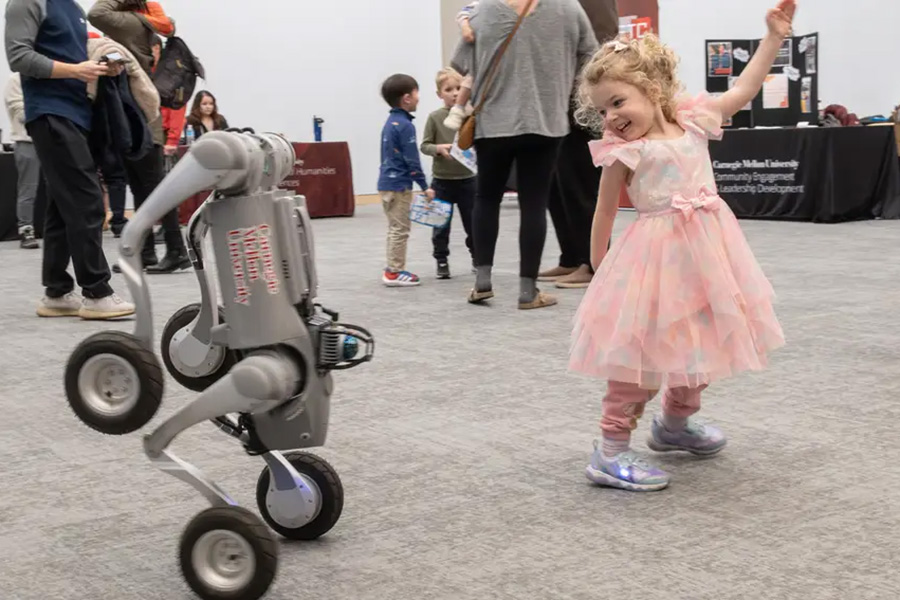
With Robotics Innovation Center, CMU and Hazelwood Partners Sustain Community Collaborations
Carnegie Mellon and Hazelwood Green — a riverfront site once home to a steel mill — are building on a decade of collaboration with a new Robotics Innovation Center (RIC) that brings cutting-edge robotics research, education, and community engagement together in one place. At the RIC, local families and young people can experience the results of research and innovation up close and forge direct connections with the CMU community. These relationships are a key focus of strengthening Hazelwood Green as a hub for innovation and discovery — and of inspiring generations to come.

Study Shows Game-Based Learning as Effective as Intentional Instruction
A recently completed multi-year study undertaken by a Carnegie Mellon researcher and his colleagues shows that learners can improve their ability to perceive and categorize unfamiliar speech sounds by playing a specially designed video game. The findings question long-held assumptions in language instruction and may be especially useful for learners who struggle with explicit methods, including those who are neurodivergent. The research focused on Mandarin Chinese — a language in which vocal pitch is essential for meaning and notoriously challenging for adult learners to acquire — but has the potential for adaptation to other languages. Remarkably, the game contained no Mandarin at all.
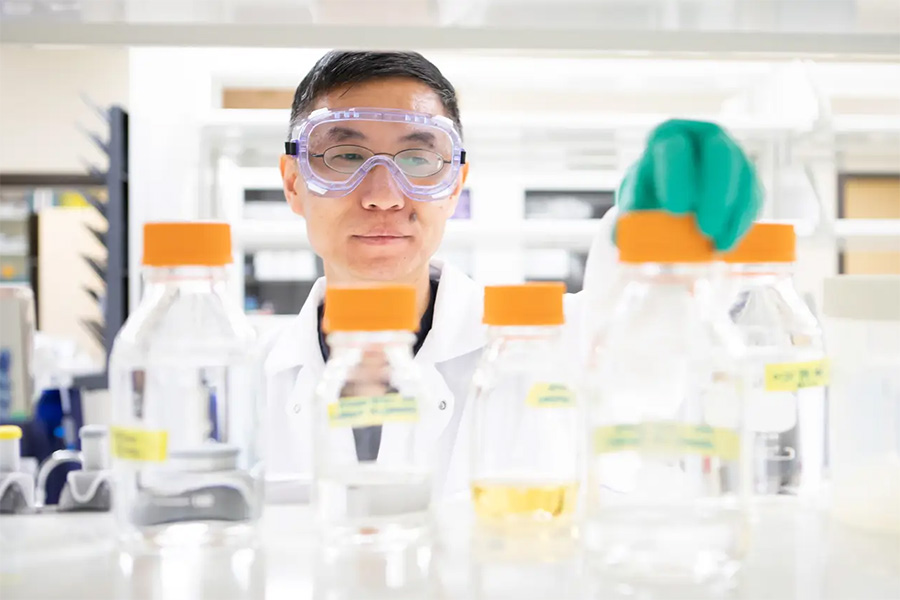
Bacteria Can Learn and Form Memories Without a Brain
By tracking individual E. coli cells as they adapted to changing environments, Carnegie Mellon researchers discovered that bacteria use information about their past to shape their future behavior and can also pass those memories to future generations of bacteria — despite not having a brain or nervous system. The findings could shape how scientists understand bacterial infections and antibiotic resistance in both E. coli and other bacterial species — and also revealed surprising parallels between biology and AI.
Read More About CMU Researchers’ Bacteria Memory Discoveries