Carnegie Mellon University (CMU) is committed to fostering an environment where all members feel welcome, valued and positioned to thrive.
We believe that education can be a transformative and enriching force for every person, irrespective of their background, identity or life circumstances.
The concept of belonging is foundational to our mission and is intricately interwoven into the very essence of our university, helping to shape our values, policies and practices.
Let's continue on this journey together.
Engage in Deeper Conversations at Carnegie Mellon

In an era of global complexity and division, meaningful dialogue has never been more essential. Deeper Conversations is a university-wide initiative dedicated to fostering civil discourse, critical inquiry and mutual understanding on today’s most pressing issues. From geopolitical conflicts to democracy and elections, our programming spans expert panels, book discussions and interactive forums designed to encourage thoughtful engagement in a space where diverse perspectives can be shared, challenged and explored with curiosity and respect.
Learn More About Deeper Conversations Programming
Combating Hate
This multi-event series, part of CMU’s Deeper Conversations initiative, provides interactive programs to foster knowledge, empathy and awareness among staff, faculty and students.
Messages from Leadership
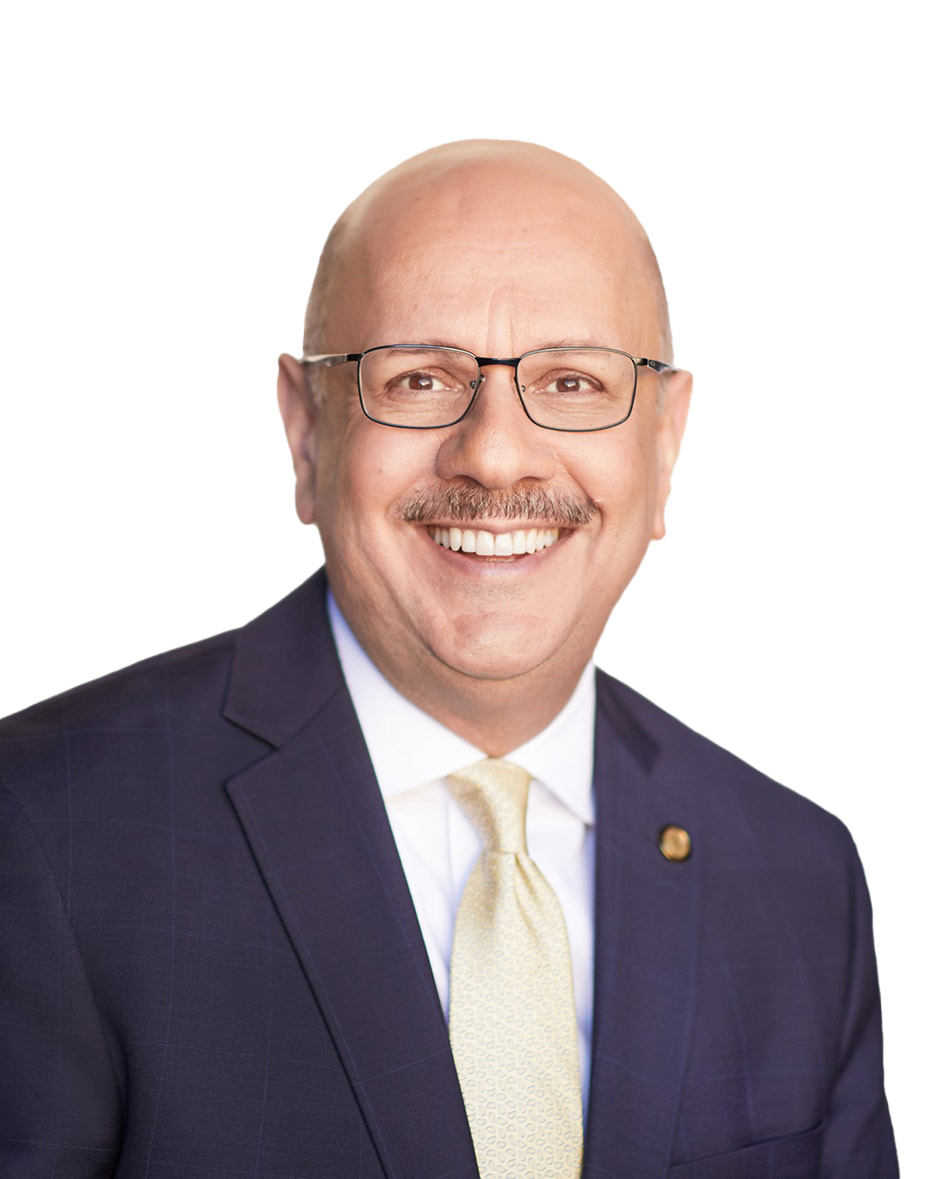 "Since our founding, Carnegie Mellon University has been committed to promoting academic excellence and economic mobility through education. This work prioritizes both expanding access and removing barriers to opportunity in support of an inclusive learning environment. These efforts are ongoing and remain critical to our university's mission to advance learning, research, and creativity and make a positive impact on society more broadly."
Dr. Farnam Jahanian
President
Henry L. Hillman President's Chair
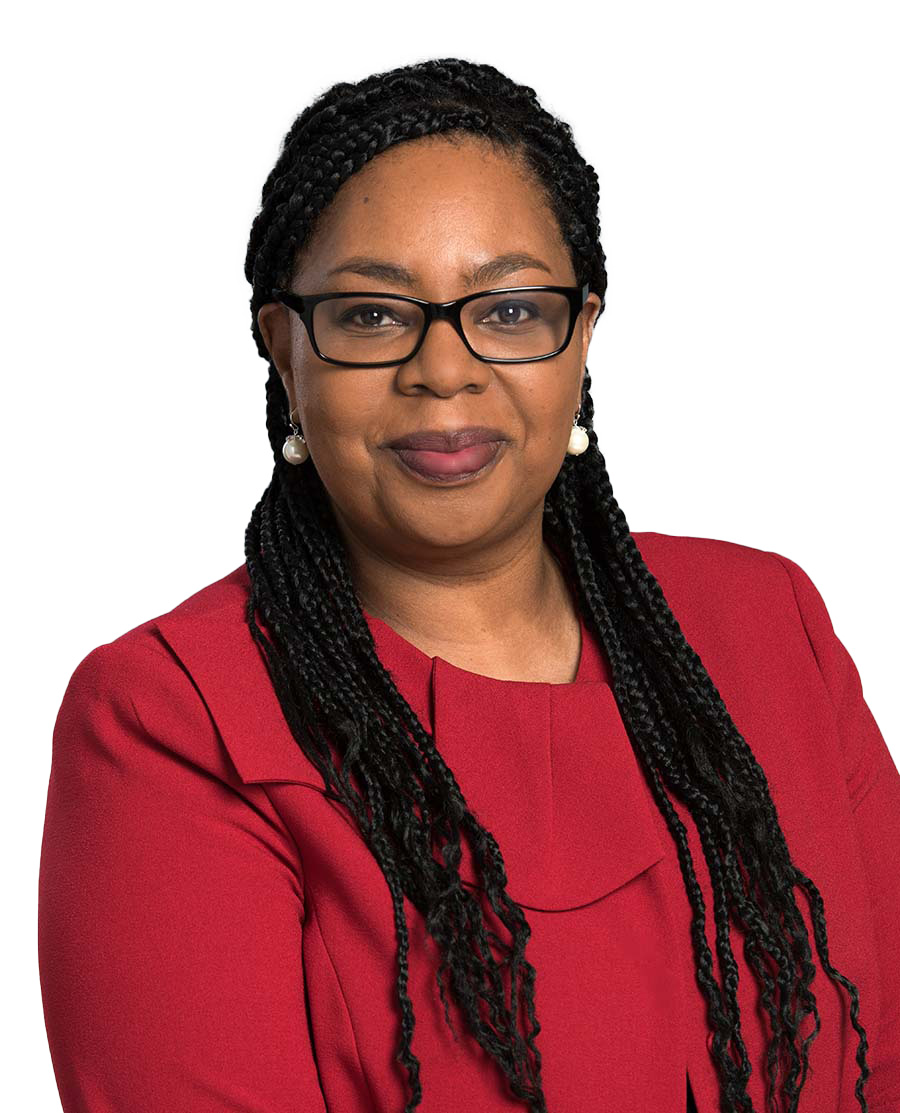 “CMU’s Framework 'Bridging to Inclusive Excellence' charts a clear, strategic course for how our community can both foster individual and collective excellence and nurture a culture where all members feel welcomed, valued and empowered to succeed.”
Dr. Wanda Heading-Grant
Vice Provost for Community, Culture and Engagement